Strong winds, heavy rain, hail, lightning and falling tree limbs can damage a chimney without creating an obvious problem inside the home. Even a small opening may allow water into the masonry, attic or fireplace system.
After severe weather, homeowners needing
chimney repair Louisville KY or
chimney repair Lexington KY should watch for visible damage and schedule an inspection when something appears unusual.
Missing or Damaged Chimney Caps
High winds can loosen, bend or completely remove a chimney cap. Without a secure cap, rain, leaves and animals may enter the flue. Damaged caps can also leave sharp or loose metal around the chimney top.
Look at the chimney from the ground after a storm. Do not climb onto a wet or damaged roof to inspect it yourself.
Cracked Crowns and Masonry
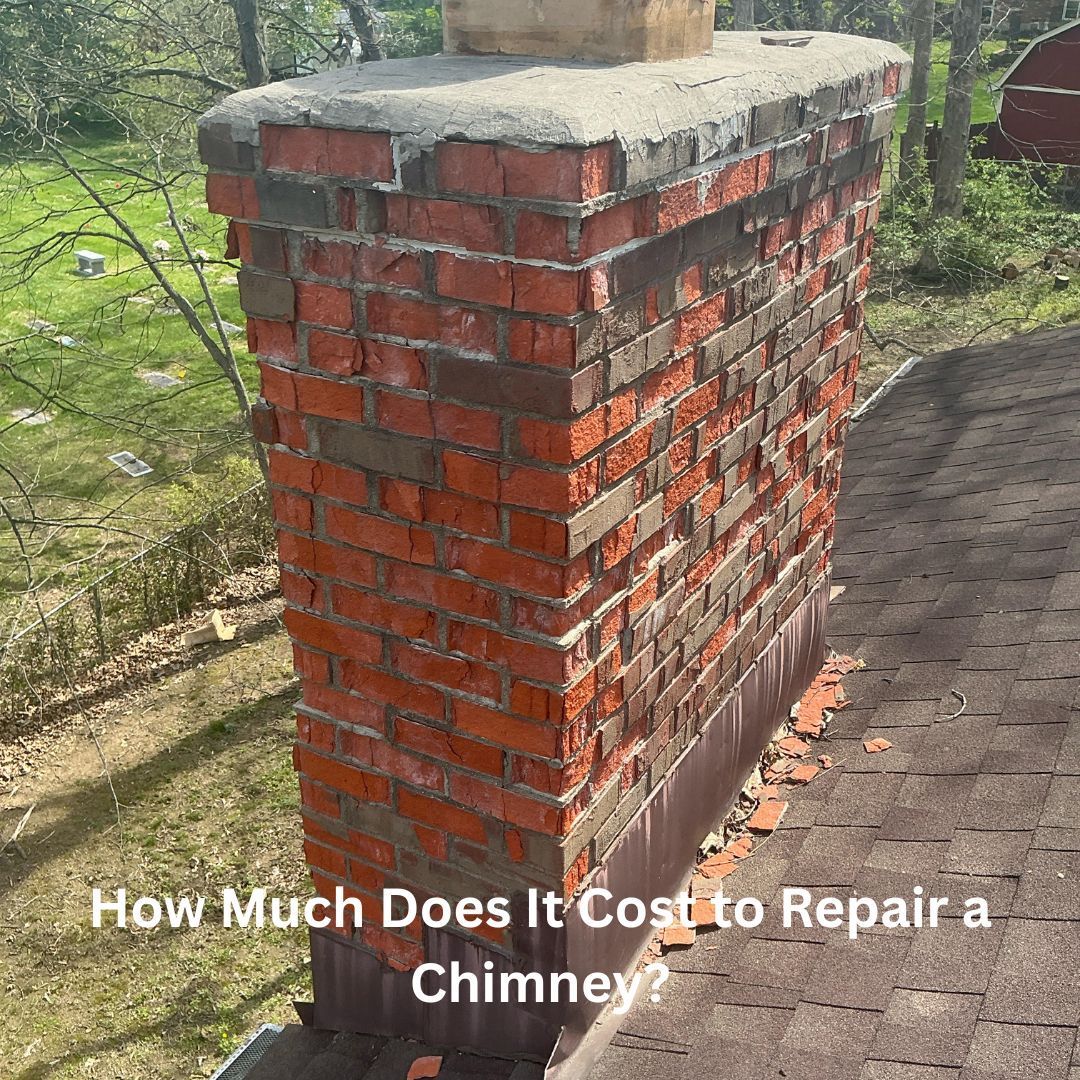
The chimney crown protects the top of a masonry chimney and helps direct rain away from the bricks. Hail, falling branches and existing deterioration can cause cracks or break away sections of the crown.
Storms may also loosen bricks or worsen cracked mortar joints. Prompt
masonry chimney repair in Louisville or Lexington can help prevent additional water absorption and freeze-thaw damage.
Chimney Leaks After Heavy Rain
Water stains, dripping sounds, damp odors or moisture in the firebox can indicate a storm-related chimney leak. Possible entry points include damaged flashing, cracked masonry, a broken crown, a missing cap or a leaking chase cover.
Professional
chimney leak repair in Lexington or Louisville should begin by identifying where the water is entering. Applying sealant without locating the source may temporarily hide the problem while moisture continues causing damage.
Damaged Flashing
Flashing seals the area where the chimney passes through the roof. Strong winds, hail, roof movement or falling debris can loosen or puncture this protective system.
Damaged flashing may allow water into the roof structure or walls surrounding the chimney. The leak may not appear directly beside the fireplace, making a proper inspection important.
Bent or Leaking Chase Covers
Factory-built fireplaces commonly have a metal chase cover at the top of the chimney chase. Hail and windblown debris can dent the cover, while strong winds may loosen it.
A damaged or rusted chase cover can collect water and direct it into the fireplace system. Depending on its condition, replacement with a properly fitted stainless-steel chase cover may provide better long-term protection.
Lightning and Falling-Tree Damage
A lightning strike can crack masonry, damage metal components or affect nearby electrical fireplace controls. Falling limbs may break chimney caps, damage crowns or knock masonry loose.
Avoid using the fireplace if the chimney was struck, hit by debris or visibly shifted. Hidden structural or venting damage should be evaluated before another fire is started.
What Should You Do After a Storm?
Inspect the chimney visually from a safe location. Watch for:
- Missing or crooked chimney caps
- Loose bricks or masonry on the roof
- New cracks or leaning
- Bent chase covers
- Water stains or dripping
- Debris inside the fireplace
- Pieces of chimney material on the ground
Photograph visible damage when it is safe to do so. These pictures may be helpful when speaking with a chimney professional or insurance company. Do not attempt to remove loose materials or cover the chimney while the roof is wet or unstable.
Schedule a Storm-Damage Chimney Inspection
Ace Chimney, Fireplace & Outdoor Living provides CSIA Certified chimney inspections and professional
chimney repair in Louisville, KY, and
chimney repair in Lexington, KY. If a recent storm damaged your chimney or caused a new leak, schedule an inspection before using the fireplace or allowing the damage to spread.