CHIMNEY RELINING & CHIMNEY LINER REPLACEMENT
The Liner You Can't See Is the One
Doing the Most Important Work.
The flue liner is the inner layer of a chimney — clay tile, cast-in-place material or stainless steel — that contains combustion byproducts and vents them safely out of the home. It protects the surrounding masonry from heat and corrosive gases, and it protects the home from both. When it fails, the chimney is still standing but it's no longer doing its job safely.
Chimney liner deterioration is more common than most homeowners realize, particularly in older homes. Clay tile liners crack from thermal stress and age. Flue systems that have handled the wrong fuel type or been operated without proper maintenance show wear more quickly. A liner inspection, part of a Level 2 chimney inspection, reveals conditions that aren't visible from the firebox or the top of the chimney.
A relined chimney performs better, drafts more efficiently and meets current safety standards regardless of when the home was built. Ace has been doing chimney liner replacements in the Louisville area and in Kentucky at large for decades. Family-owned, CSIA-certified, and straightforward about what a chimney needs to operate properly.
The estimate is free.
Have Questions About Chimney Relining? We Can Help.
What is a chimney liner and why replace it?
The chimney liner is the interior passageway that channels combustion gases — smoke, carbon monoxide and other byproducts — from the firebox to the outside. It also insulates the surrounding masonry from the heat those gases carry. Clay tile liners, the most common type in older homes, crack over time from thermal cycling, moisture and age. When a liner is damaged, gaps allow heat and gases to reach combustible materials in the home's structure. Relining or replacing a chimney liner restores that protection and brings the system back to safe operating condition.
How do I know if my chimney liner needs to be relined?
Most liner damage isn't visible without a camera inspection. Symptoms that suggest a liner problem include difficulty maintaining a fire, smoke backing into the living space, an unusual odor from the fireplace when it's not in use and visible deterioration in the firebox — crumbling tile fragments, for example. A Level 2 chimney inspection, which includes video scanning of the flue, is the definitive way to assess liner condition. Ace Chimney, Fireplace & Outdoor Living performs these inspections across the Louisville and Lexington areas and provides a clear assessment of what the flue shows.
What types of chimney liners are available?
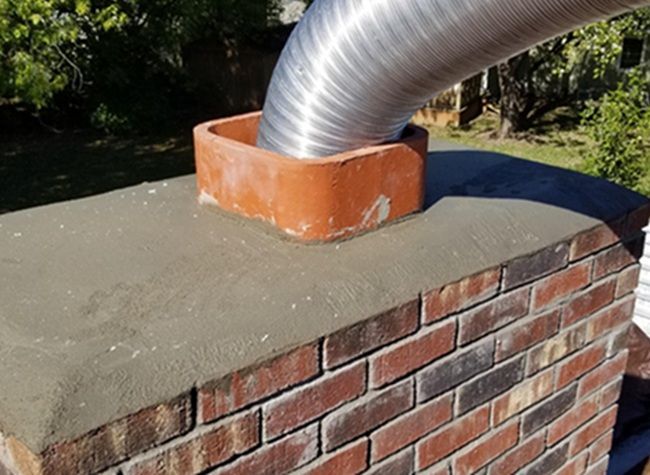
The three primary options are stainless steel, cast-in-place and clay tile. Stainless steel liners are installed as a flexible or rigid system inside the existing flue and are suitable for most fuel types. Cast-in-place systems involve applying a liner material directly to the interior of the flue, restoring structural integrity and insulation value. Clay tile is the traditional material, still used in new masonry construction but not a practical option for relining an existing flue. The right choice depends on the chimney's construction, the fuel being burned and the condition of the existing structure.
Is chimney relining required by code?
Building codes vary by jurisdiction, but the National Fire Protection Association standard — NFPA 211 — is the baseline most inspectors and insurers reference. It requires that chimneys serving appliances be lined and that liners be free of deterioration. In Kentucky, many municipalities and counties have adopted codes that reference NFPA 211 or equivalent standards. Beyond code, insurers increasingly require documentation of liner condition for homes with active fireplaces. A CSIA-certified inspection and relining, where needed, protects the homeowner on both fronts.
How long does a relined chimney last?
Stainless steel liners carry manufacturer warranties ranging from 20 years to lifetime, depending on the grade of steel and the fuel type. Cast-in-place systems, when properly installed, are designed to last the life of the chimney. The longevity of any liner depends on proper use — burning the right fuel, maintaining adequate draft and keeping up with annual inspections. Ace Chimney, Fireplace & Outdoor Living has relined chimneys across central Kentucky that have been in continuous, trouble-free service for years. The work holds when it's done right.