

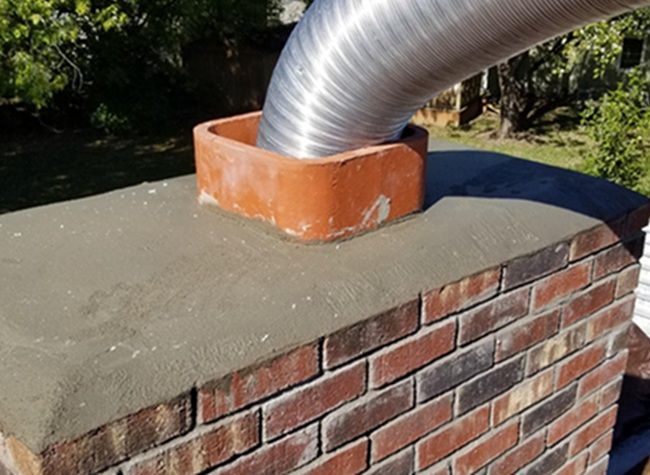
Fireplace chimney liner installation typically costs $5,000–$10,000. Learn what affects pricing in Louisville and Lexington, Kentucky
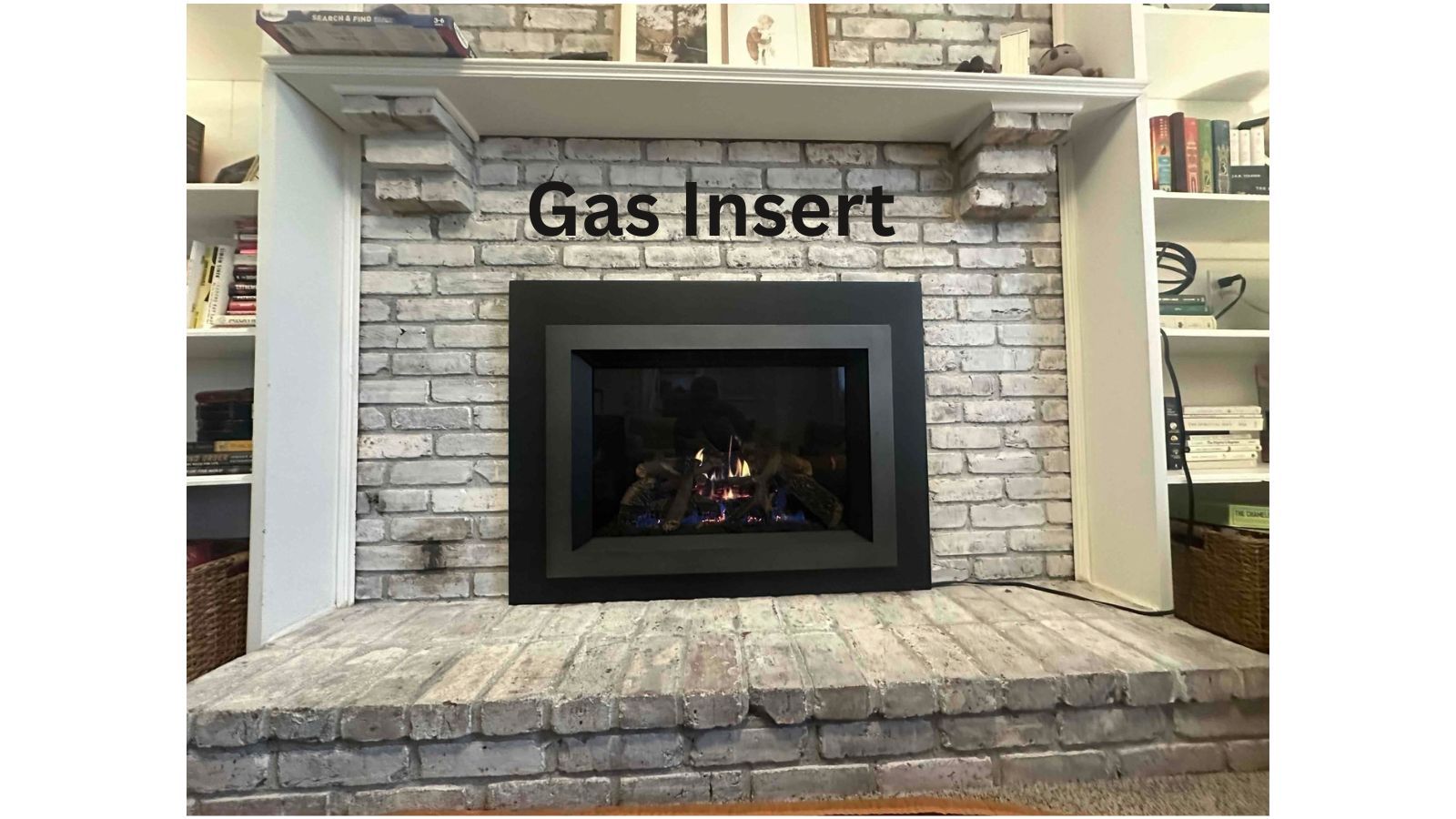
A professionally installed gas fireplace insert typically costs $5,000–$8,000. Learn what affects pricing in Louisville and Lexington.

Use this Kentucky chimney inspection checklist to spot masonry damage, leaks, venting problems and signs that require a professional inspection.

Learn how many square feet a wood stove can heat and how insulation, floor plan, stove size, climate and firewood affect heating performance.

Learn whether a chimney sweep checks exterior bricks, mortar, crowns, caps, flashing and chase covers during a chimney inspection.

Learn what is required for wood fireplace insert installation, including measurements, chimney liners, inspections, cost factors and maintenance.
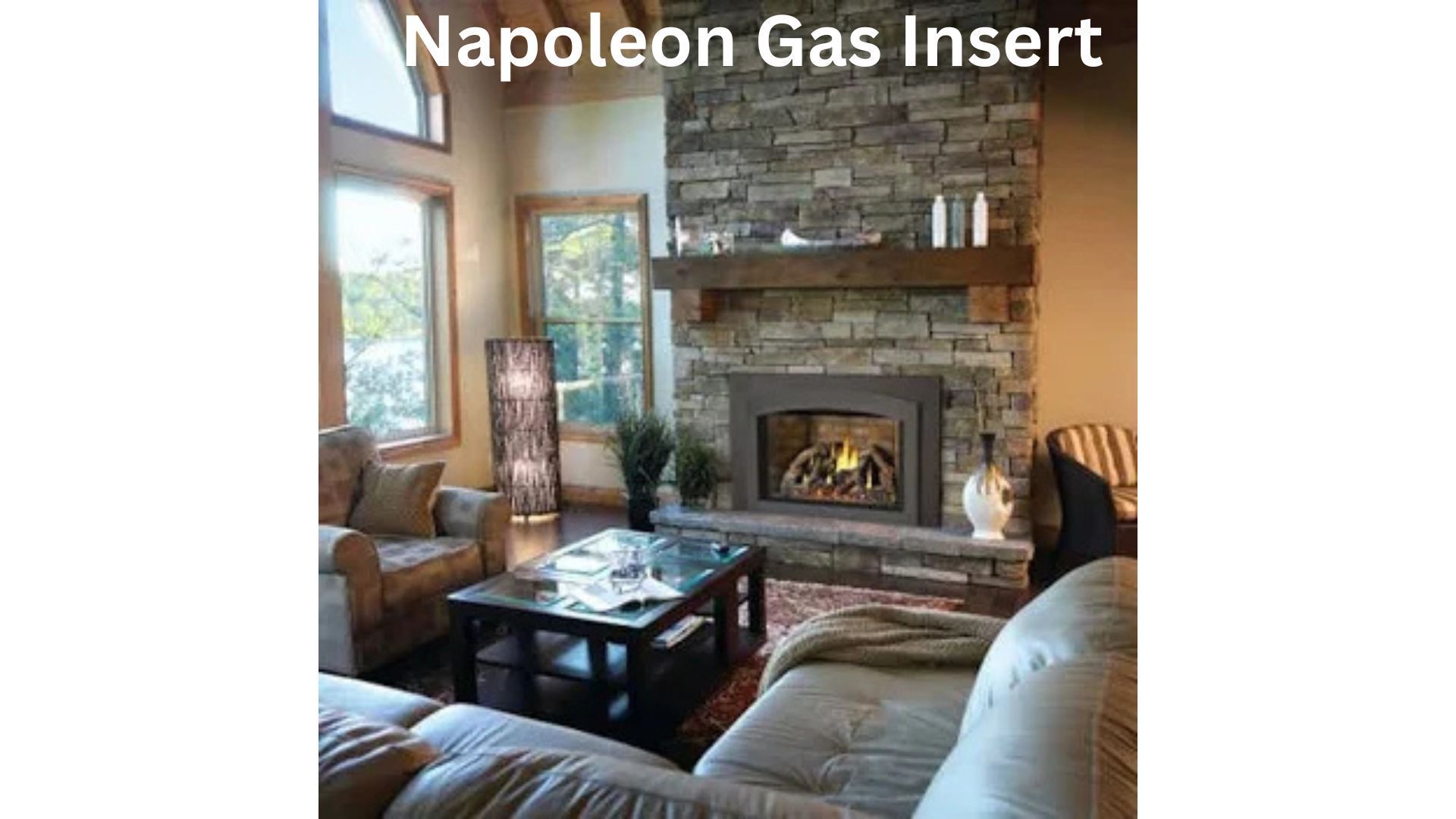
Discover how a gas fireplace insert can add usable heat, convenient controls and updated style to an existing masonry fireplace.

Learn what a chimney sweep cleans, what a fireplace inspection checks and when Louisville or Lexington homeowners may need a Level 2 inspection.

Compare wood and gas fireplace heat, including cost, convenience, efficiency, maintenance and which option is best for your Kentucky home.

Learn what causes chimney bricks to flake and crumble, how spalling is repaired and why Louisville and Lexington homeowners should act early.