Neither wood nor gas heat is automatically better for every home. Gas is usually better for convenience, temperature control and less routine work. Wood may be better for strong supplemental heat when affordable seasoned firewood is available.
Homeowners comparing
wood and gas fireplaces in Louisville KY or
wood and gas fireplaces in Lexington KY should consider the appliance, fuel availability, installation requirements and how often it will be used.
Is Wood Heat Less Expensive Than Gas?
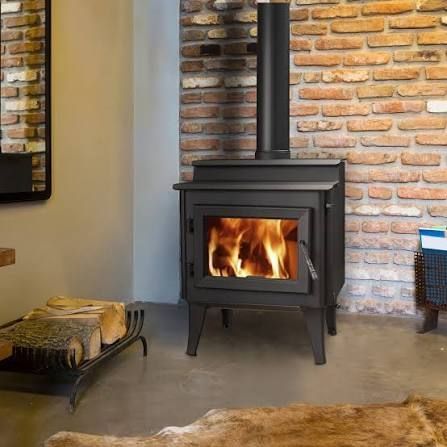
Wood heat can cost less when firewood is locally available at a reasonable price. A modern wood stove or fireplace insert can heat a main living area and reduce reliance on the central heating system.
The true cost includes buying, splitting, seasoning, storing and carrying the wood. Wet firewood produces less usable heat and more smoke. The
EPA recommends dry, seasoned wood with a moisture content of 20% or less.
Gas appliances eliminate firewood storage and provide heat at the push of a button. The better value depends on local fuel prices, appliance efficiency and frequency of use.
Which Type of Heat Is More Convenient?
Gas is the clear winner for convenience. A gas fireplace can start quickly and shut down without ashes or firewood. Many models include a thermostat, wall switch or remote.
Wood requires building and tending the fire, adding logs, removing ashes and keeping dry fuel available. Some people enjoy that routine; others prefer the simplicity of gas.
Does Wood or Gas Produce More Heat?
A properly sized modern wood stove or insert can produce substantial heat. An open masonry fireplace is different because much of its heat may escape through the chimney.
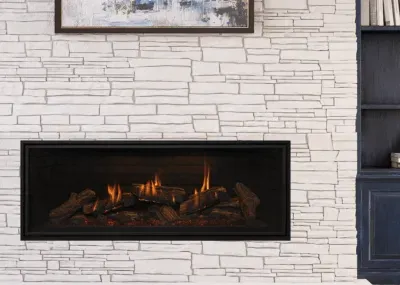
Gas fireplaces range from decorative models to powerful room heaters. Heat output and efficiency depend on the specific appliance—not fuel type alone. Room size, insulation and floor plan should be considered before choosing a model.
Which Option Requires More Maintenance?
Wood systems require more maintenance because burning creates ash and creosote. The appliance, chimney and venting should be professionally inspected each year and cleaned when needed.
Gas fireplaces require less daily work but are not maintenance-free. Burners, ignition components, seals, safety controls and venting need service according to the manufacturer’s instructions.
Is Wood or Gas Better During a Power Outage?
Many
wood stoves can provide heat without electricity. Some gas fireplaces can also operate without household power or use battery backup, depending on the model. Check the owner’s manual before relying on either appliance during an outage.
Which Heating Option Is Better for You?
Choose wood for strong supplemental heat if you enjoy tending a fire and can store seasoned fuel. Choose gas for quick heat, simple controls, less cleanup and consistent operation.
Whichever fuel you choose, proper sizing and installation matter. Ace Chimney, Fireplace & Outdoor Living provides NFI Certified
wood stove and gas fireplace installation in Louisville KY,
Lexington KY, and surrounding Kentucky communities. Our team can help you compare wood stoves, fireplace inserts and gas fireplaces based on your home and heating goals.