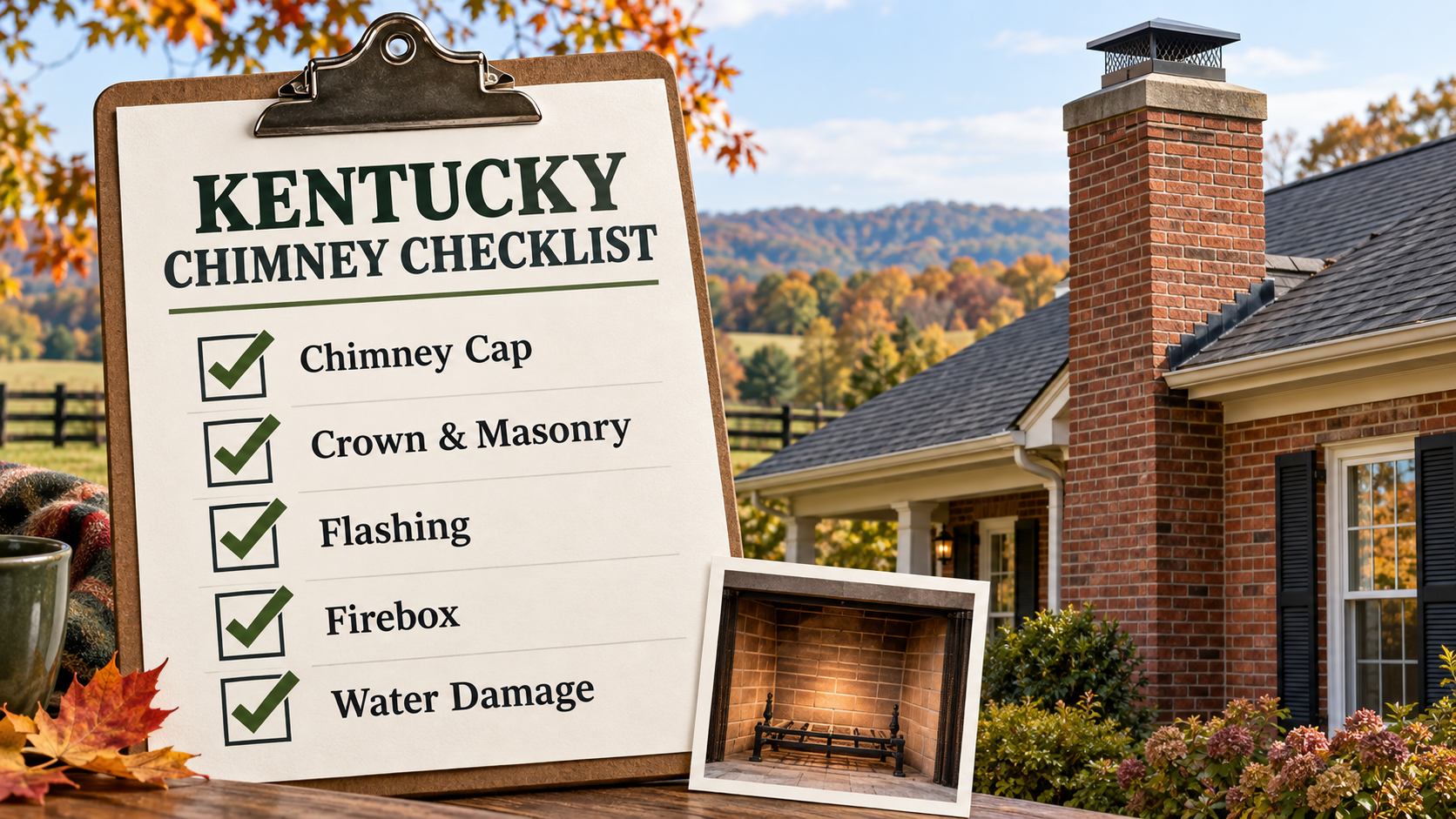
How Do I Know if My Chimney Liner Needs to Be Replaced?

Dustin Bradley • November 2, 2026

Share this article

How Do I Know if My Chimney Liner Needs to Be Replaced?

Stainless steel liner being installed in Louisville Kentucky

Your chimney liner may need replacement if a video inspection finds cracked or missing tiles, open joints, severe deterioration, chimney-fire damage or improper sizing. Most liner damage cannot be seen from the firebox. A Level 2 inspection is usually the clearest way to evaluate it.

What Does a Chimney Liner Do?

The liner carries smoke and combustion gases outside while separating them from the masonry. Common types include clay tile, stainless steel and cast-in-place systems.

A damaged liner does not always require a rebuild.

What Damage Can Require Replacement?

Replacement or relining may be recommended when an inspection finds:

  • Cracked, broken or missing clay flue tiles
  • Gaps or failed mortar between liner sections
  • Damage following a chimney fire
  • Corrosion or failure in an existing metal liner
  • An unlined masonry chimney
  • A flue that is improperly sized

Ace explains the available systems on its chimney relining service page.

Are There Warning Signs Homeowners May Notice?

Clay-tile pieces in the firebox or cleanout are a strong warning sign. Other clues include smoke entering the room, weak draft, odors or stains around chimney joints.

These symptoms have several possible causes and do not prove replacement is needed. A fireplace that drafts normally may still have hidden cracks.

When Is a Level 2 Inspection Needed?

A Level 2 inspection includes a video scan. It is commonly recommended after a chimney fire, during a property transfer, when installing a new appliance or when a Level 1 inspection suggests a concealed problem.

The camera documents cracks, gaps and missing tiles. Review Ace’s chimney inspection services before scheduling.

Does a New Fireplace Insert Require a New Liner?

A new insert or stove often needs a liner sized and approved for that appliance. The clay flue may be too large, damaged or incompatible with its venting requirements.

Frequently Asked Questions

Can a cracked clay liner be repaired?

Limited defects may qualify for repair. Widespread cracking, missing sections or improper sizing may require complete relining.

How long does a chimney liner last?

Service life depends on material, fuel, installation, moisture and chimney fires. Condition matters more than age alone.

Can chimney sweeping fix liner damage?

No. Sweeping removes soot, creosote and debris. It does not close cracks, replace missing tiles or correct an improperly sized flue.

Schedule a Chimney Liner Inspection

Family-owned since 1978, Ace Chimney, Fireplace & Outdoor Living provides CSIA Certified chimney inspections and relining in Louisville, Lexington and surrounding communities. Schedule an inspection before using a chimney with suspected liner damage.

Recent Posts

Checklist for fireplace maintenance for Kentucky homeowners
By Dustin Bradley • October 29, 2026
Learn how to maintain a wood or gas fireplace with proper ash removal, dry firewood, safety checks and annual chimney inspections.
CSIA Certified technician using a video camera to inspect a chimney for signs of a past chimney fire
By Dustin Bradley • October 26, 2026
Learn the sounds, smells and damage signs of a chimney fire and why Louisville and Lexington homeowners may need a Level 2 inspection.
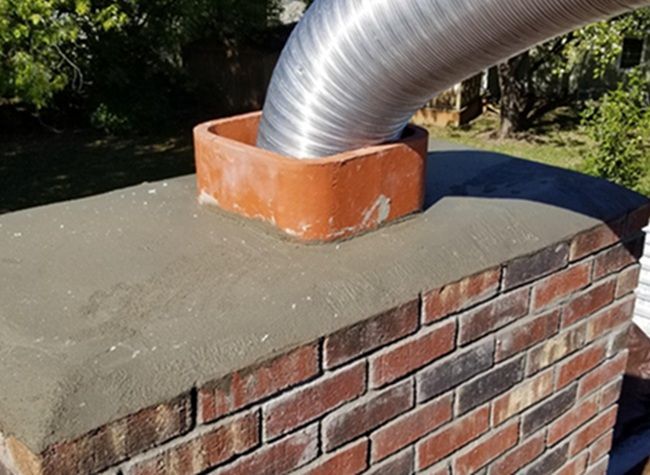
Chimney liner being professionally installed inside a masonry fireplace chimney in Kentucky
By Dustin Bradley • October 22, 2026
Fireplace chimney liner installation typically costs $5,000–$10,000. Learn what affects pricing in Louisville and Lexington, Kentucky
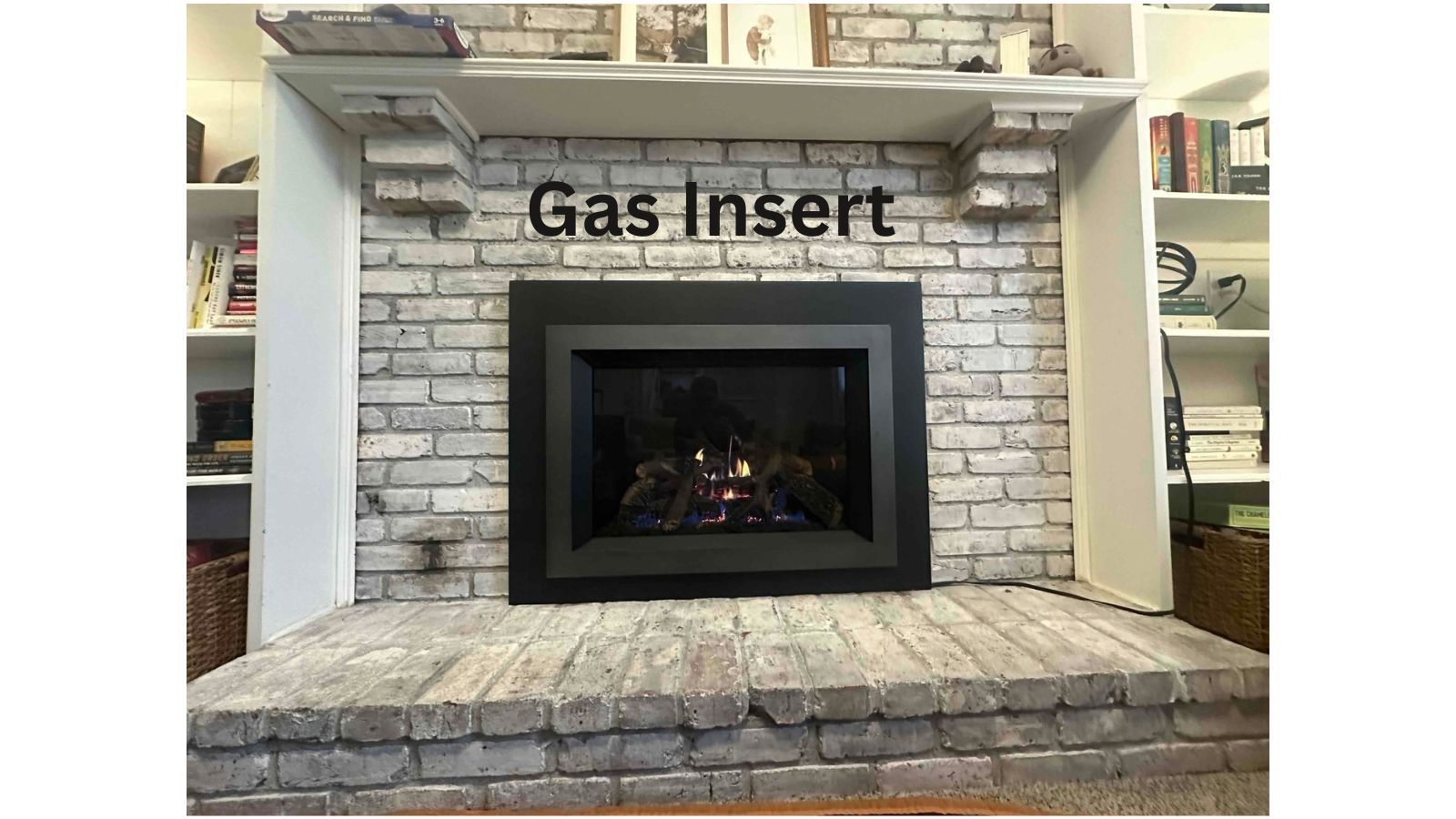
Professionally installed gas fireplace insert heating a Kentucky living room
By Dustin Bradley • October 19, 2026
A professionally installed gas fireplace insert typically costs $5,000–$8,000. Learn what affects pricing in Louisville and Lexington.
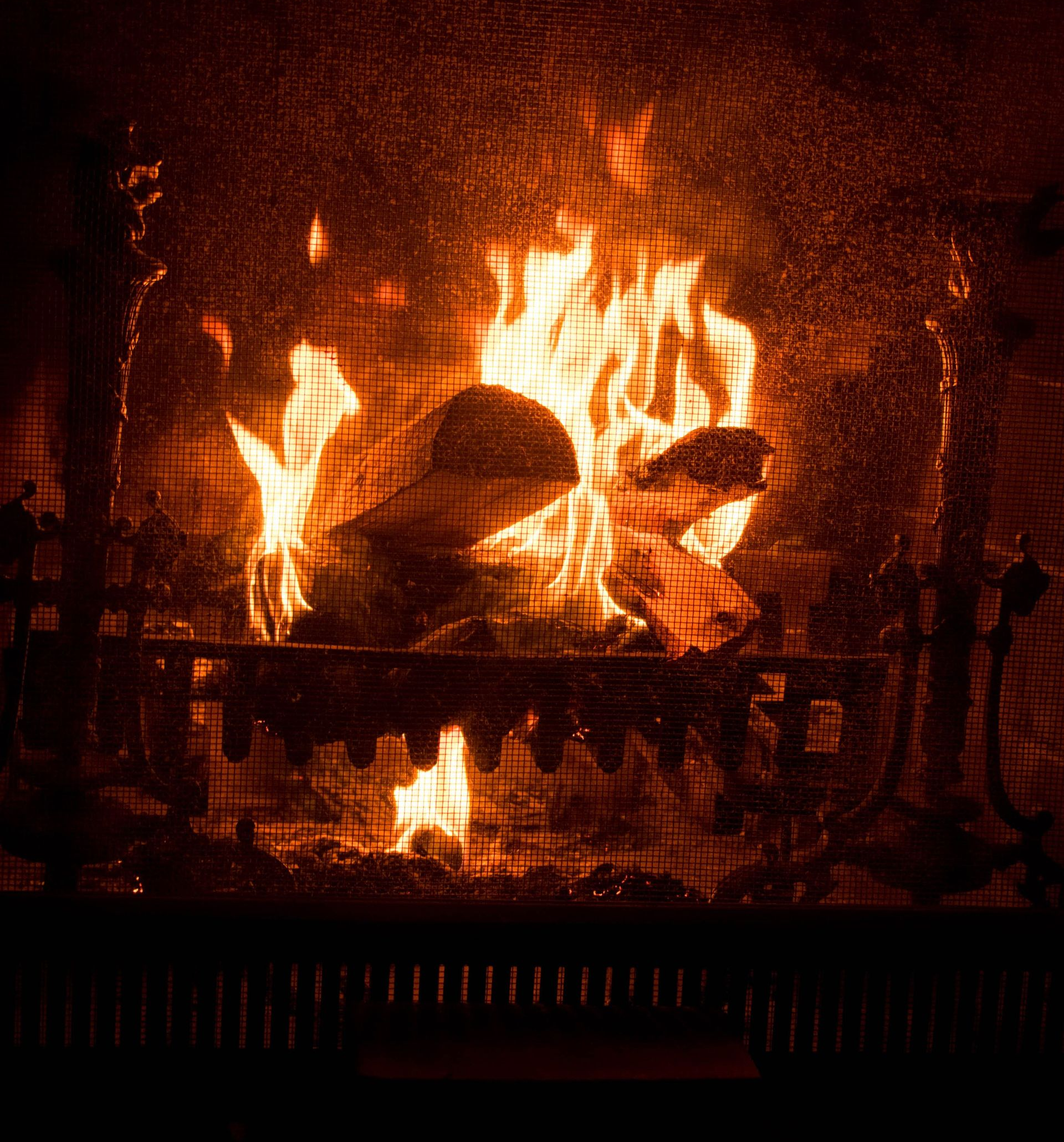
By Dustin Bradley • October 15, 2026
Use this Kentucky chimney inspection checklist to spot masonry damage, leaks, venting problems and signs that require a professional inspection.
Freestanding wood stove heating a large open living area in a Kentucky home
By Dustin Bradley • October 12, 2026
Learn how many square feet a wood stove can heat and how insulation, floor plan, stove size, climate and firewood affect heating performance.
CSIA Certified chimney sweep inspecting the exterior masonry, crown and cap of a Kentucky chimney
By Dustin Bradley • October 8, 2026
Learn whether a chimney sweep checks exterior bricks, mortar, crowns, caps, flashing and chase covers during a chimney inspection.
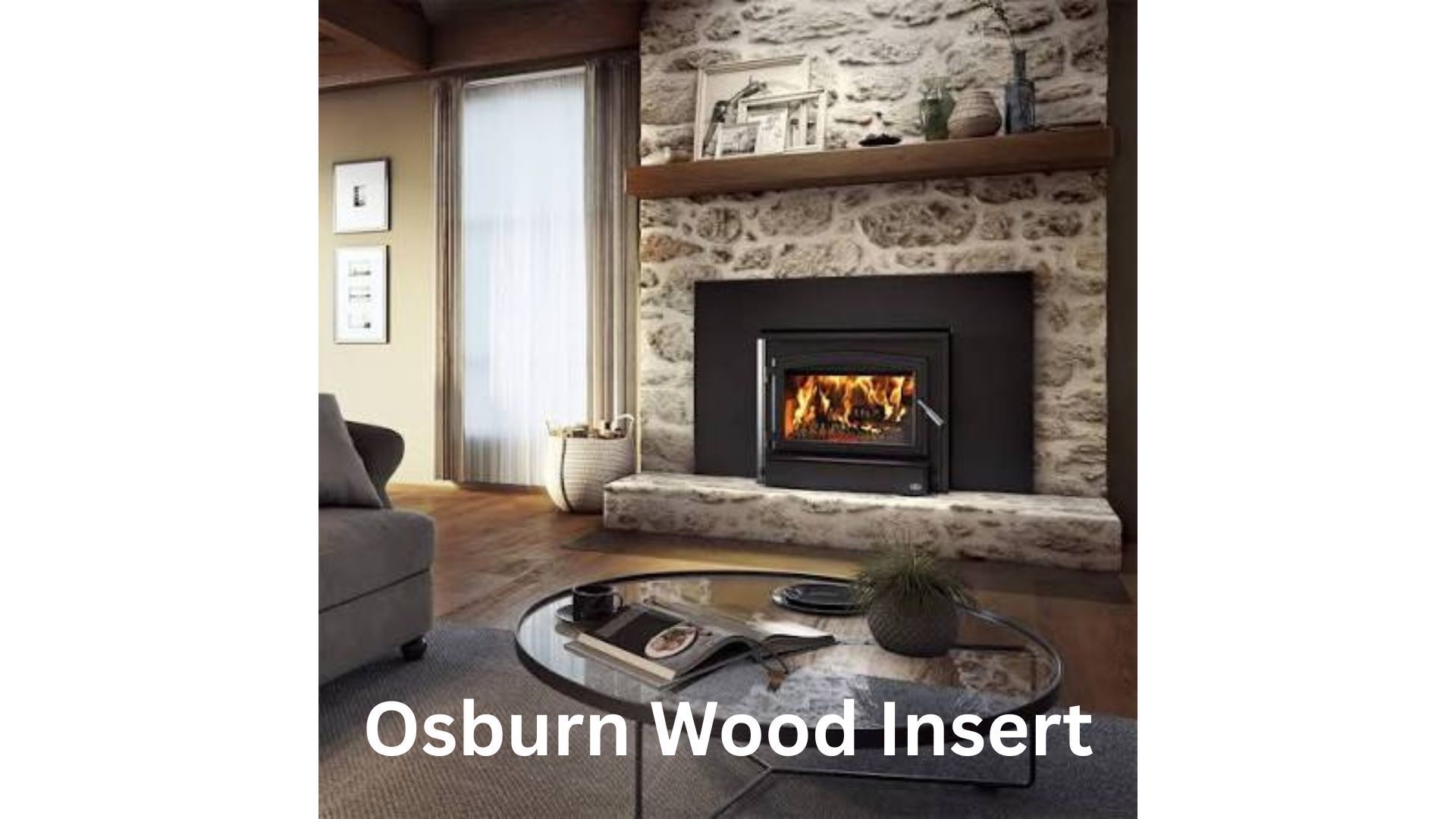
Wood-burning insert professionally installed in an existing masonry fireplace in a Kentucky home
By Dustin Bradley • October 5, 2026
Learn what is required for wood fireplace insert installation, including measurements, chimney liners, inspections, cost factors and maintenance.
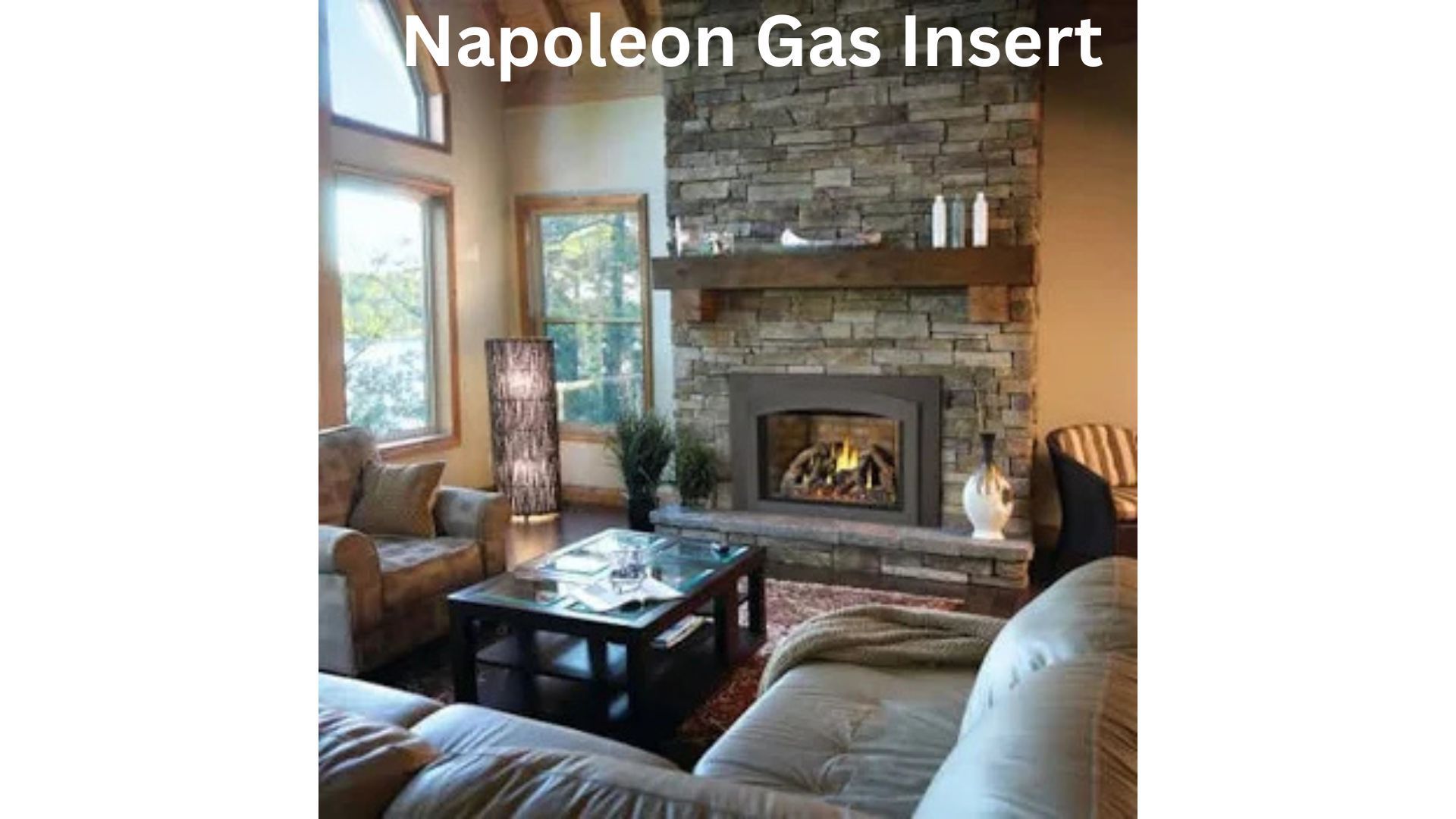
Gas fireplace insert installed inside an existing masonry fireplace in a Kentucky home
By Dustin Bradley • October 1, 2026
Discover how a gas fireplace insert can add usable heat, convenient controls and updated style to an existing masonry fireplace.
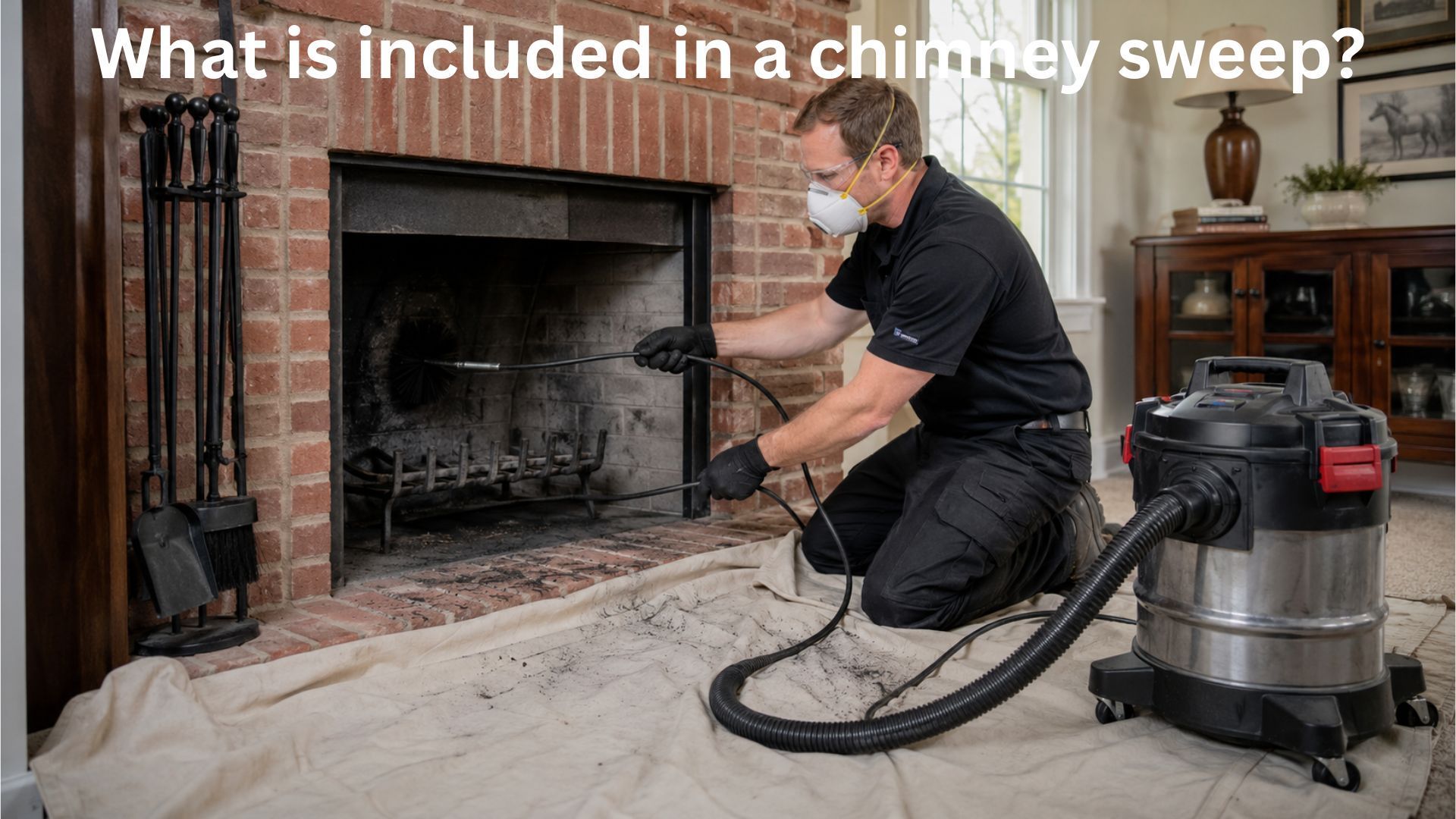
CSIA Certified chimney sweep cleaning and inspecting a wood-burning fireplace in a Kentucky home
By Dustin Bradley • September 28, 2026
Learn what a chimney sweep cleans, what a fireplace inspection checks and when Louisville or Lexington homeowners may need a Level 2 inspection.
Show More