Homeowners insurance may cover chimney repairs when the damage results from a sudden, accidental event included in the policy. Examples may include fire, lightning, strong wind or a falling tree. However, insurance generally does not pay for deterioration caused by age, neglected maintenance or normal wear and tear.
Every policy has different coverage, limits, exclusions and deductibles. Homeowners should contact their insurance company to confirm whether a particular chimney problem qualifies for coverage.
What Types of Chimney Damage May Be Covered?
A chimney repair may be covered when inspectors can connect the damage to a specific covered event. Depending on the policy, possible examples include:
- A tree or large branch striking the chimney
- Lightning damaging the masonry or metal components
- Wind removing or bending a chimney cap
- Fire damaging the chimney liner or surrounding structure
- A vehicle hitting an exterior chimney
- Vandalism or another covered accidental event
Coverage depends on what caused the damage—not simply which part of the chimney needs repair. The insurance adjuster will evaluate the loss and determine whether it falls within the policy.
What Chimney Repairs Are Usually Not Covered?
Insurance typically does not cover repairs caused by long-term deterioration or lack of maintenance. The Kentucky Department of Insurance identifies rot, decay, cracking, settling, defective workmanship and general wear and tear as typical homeowners-policy exclusions.
Common chimney problems that may not be covered include:
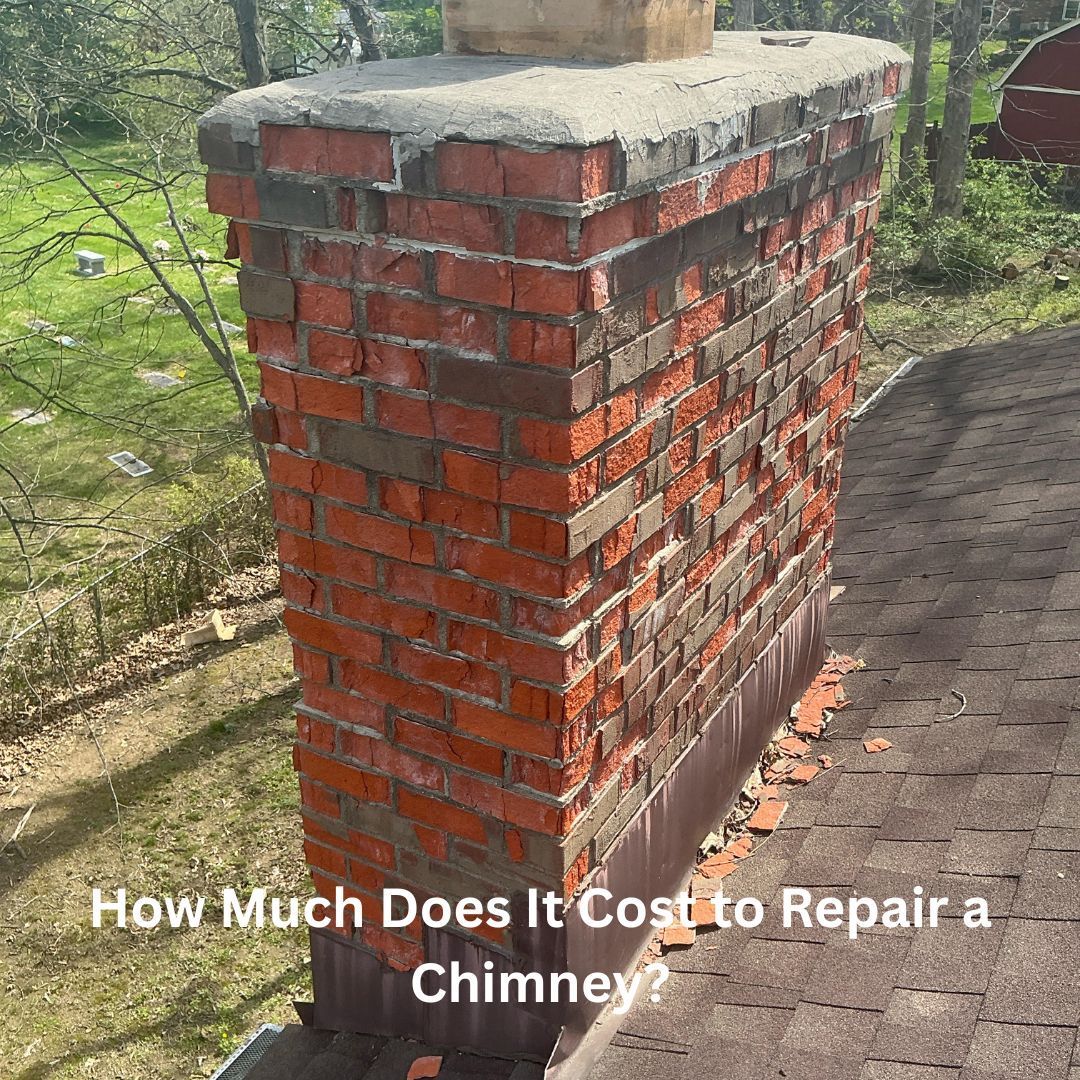
- Crumbling mortar caused by age
- Gradually spalling bricks
- A crown that cracked over time
- Long-term chimney leaks
- Rust caused by years of moisture exposure
- Damage resulting from neglected maintenance
- Improper construction or previous repairs
If an old chimney leak causes additional interior damage, coverage can become more complicated. The insurer might treat the resulting damage differently from the deteriorated chimney component that allowed the water inside.
Are Chimney Fires Covered?
Damage caused by a sudden chimney fire may be covered, but the insurance company will investigate the cause and condition of the chimney. Inspection reports, cleaning records and photographs may help establish the chimney’s maintenance history.
After a suspected chimney fire, stop using the fireplace and schedule a professional inspection. Even when the exterior looks normal, intense heat can crack a clay liner or damage other parts of the venting system.
What Should You Do After Chimney Damage?
Document the chimney from a safe location with photographs and video. Write down when the event happened and save any available storm reports, inspection records and maintenance receipts.
Contact your insurance company promptly and ask whether you should obtain an inspection and repair estimate before beginning permanent work. Take reasonable steps to prevent additional damage, but do not climb onto an unsafe roof or make major repairs before receiving instructions from the insurer.
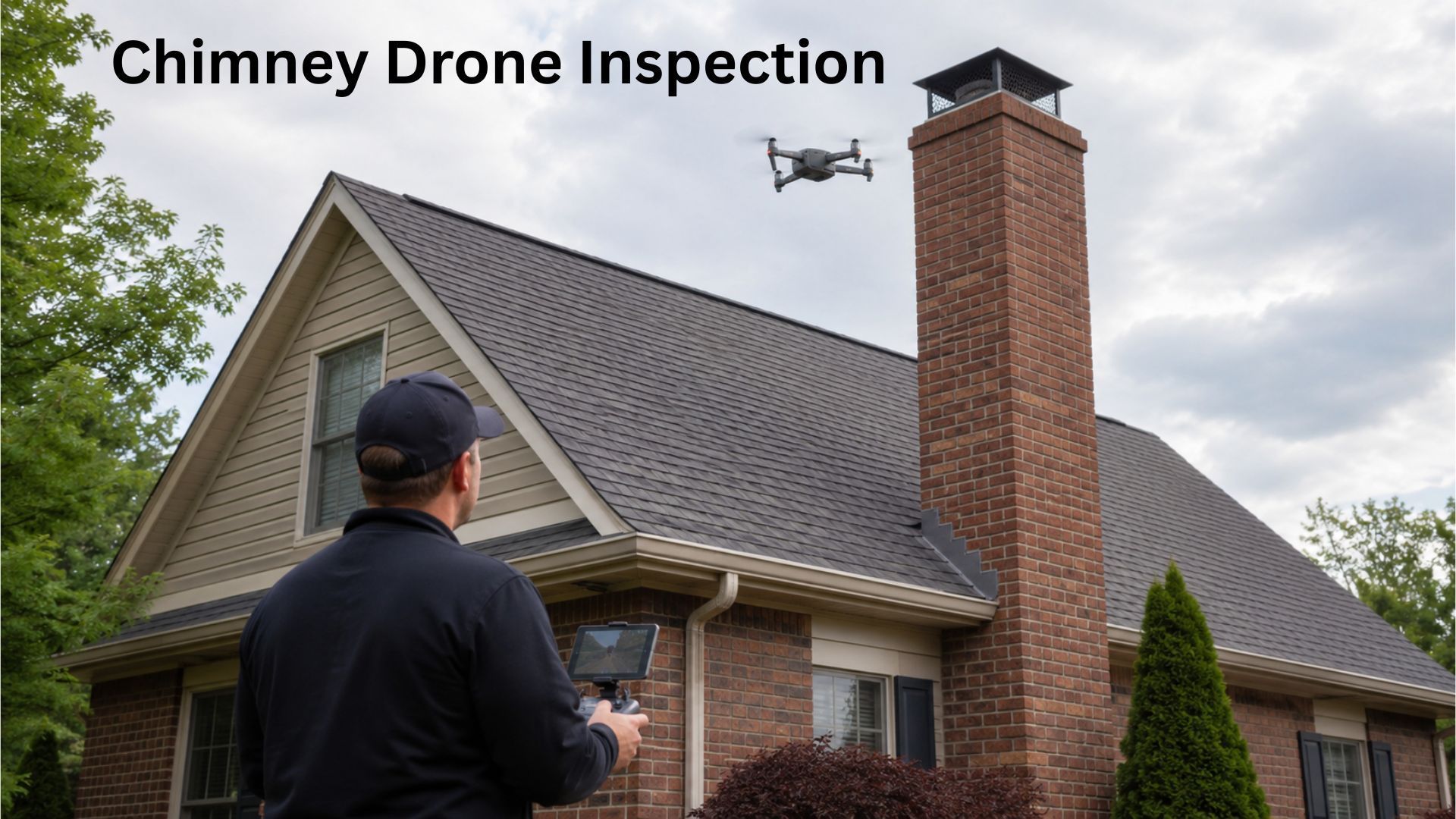
A professional chimney inspection can document damaged bricks, mortar, crowns, caps, flashing, chase covers and chimney liners. The inspection identifies the chimney’s condition, but the insurance company makes the final coverage decision.
Consider Your Deductible
Even covered damage may not result in a payment when the repair cost is below or only slightly above the deductible. Payment may also depend on whether the policy provides actual cash value or replacement-cost coverage. The
National Association of Insurance Commissioners explains that actual-cash-value coverage accounts for age and depreciation, while replacement-cost coverage uses materials of like kind and quality, subject to the policy’s terms and limits.
Schedule a Chimney Damage Inspection
Ace Chimney, Fireplace & Outdoor Living provides CSIA Certified inspections and professional
chimney repair in Louisville, KY, and
chimney repair in Lexington, KY. If your chimney was damaged by a storm, fire, falling limb or another unexpected event, schedule an inspection to document its condition and determine the appropriate repairs.