Relining a fireplace means installing or restoring the protective passage inside the chimney that carries smoke, heat and combustion gases outdoors. The chimney liner also helps protect surrounding masonry and combustible building materials from excessive heat.
A damaged, improperly sized or missing liner can affect fireplace safety and performance. Because every chimney is different, relining begins with a professional inspection rather than selecting a liner based only on the chimney’s height.
When Does a Fireplace Chimney Need Relining?
A chimney may need to be relined when an inspection reveals:
- Cracked, broken or missing clay flue tiles
- Gaps between liner sections
- Deterioration caused by a chimney fire
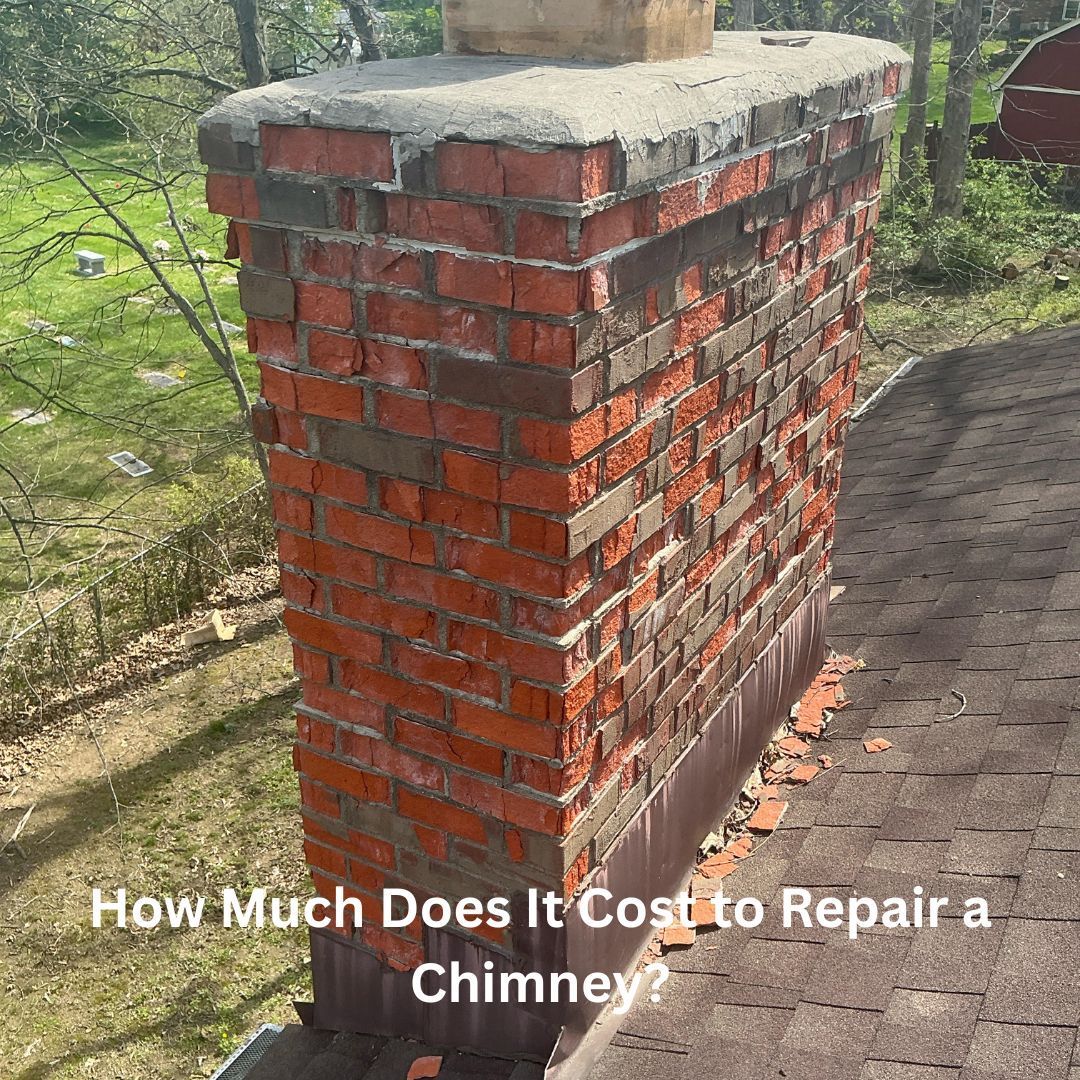
- Severe erosion or damaged mortar joints
- An unlined masonry chimney
- An incorrectly sized flue
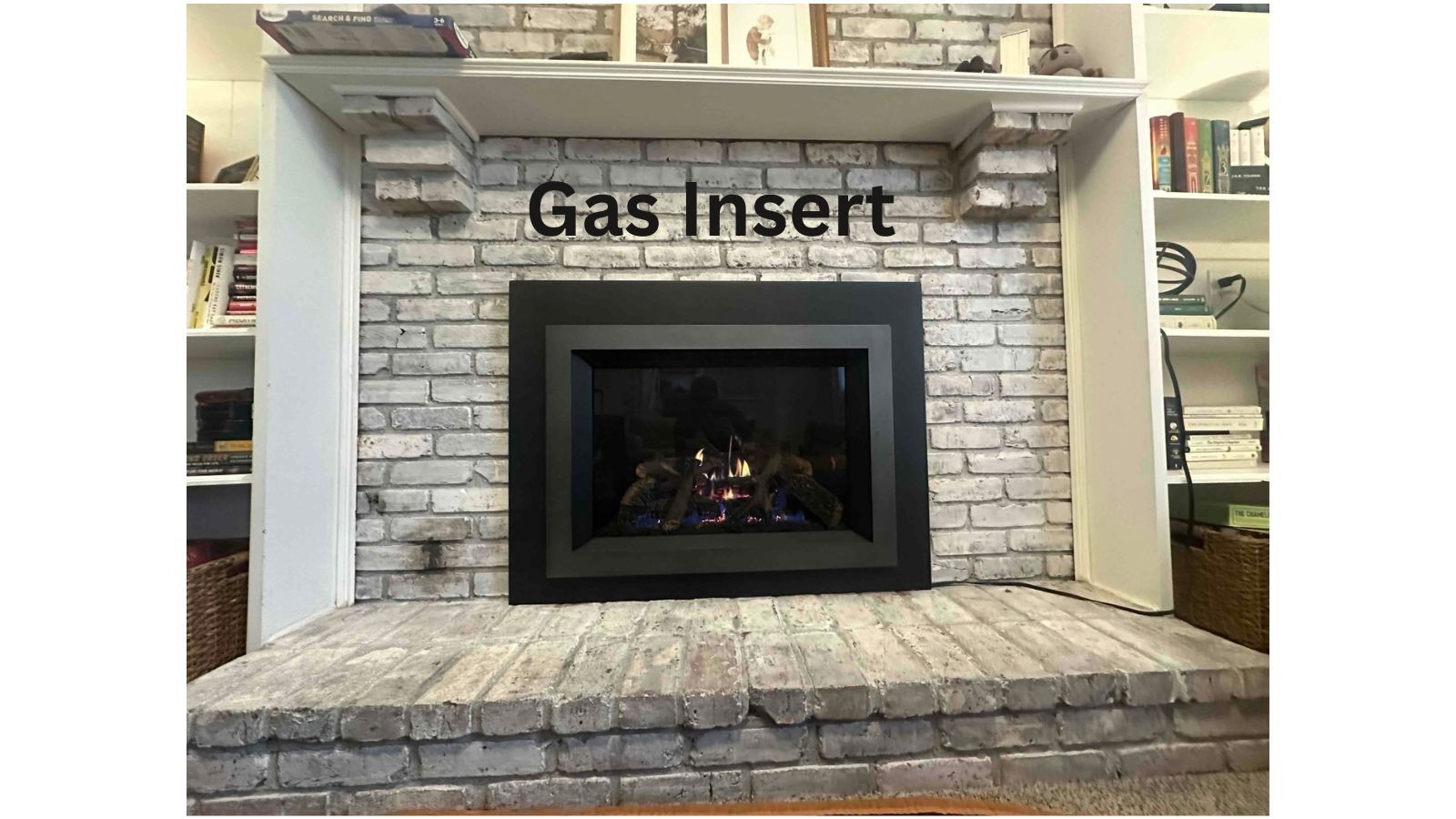
- A new fireplace insert or heating appliance
- Smoke or combustion gases escaping through defects
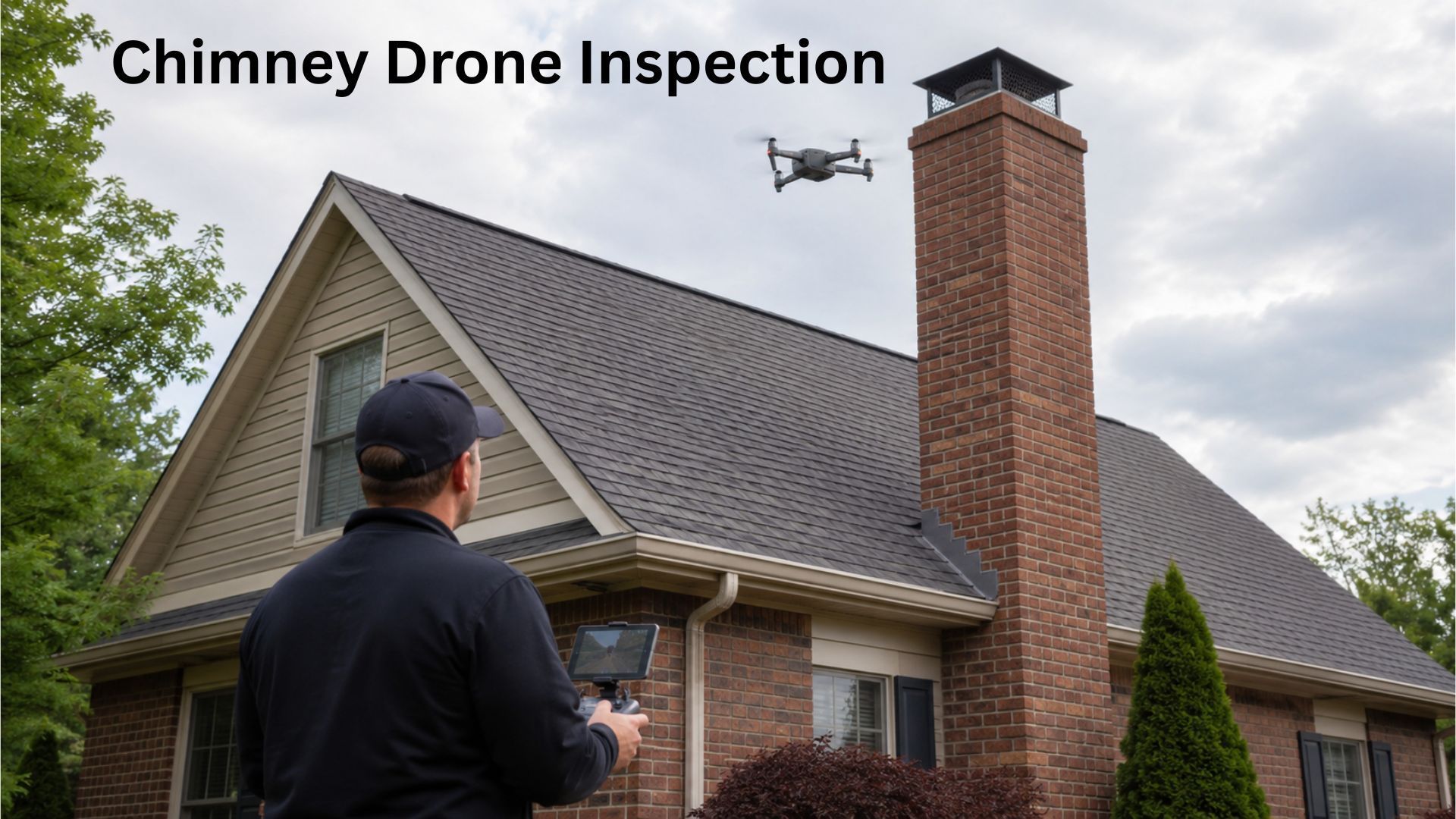
Many liner problems cannot be seen from the fireplace opening. A chimney video inspection allows the technician to examine the interior flue and determine the location and extent of the damage.
Which Chimney Liner Is Best?
The appropriate liner depends on the fireplace or appliance, fuel type, chimney construction and applicable installation requirements.
Common relining systems include:
Stainless-Steel Chimney Liners
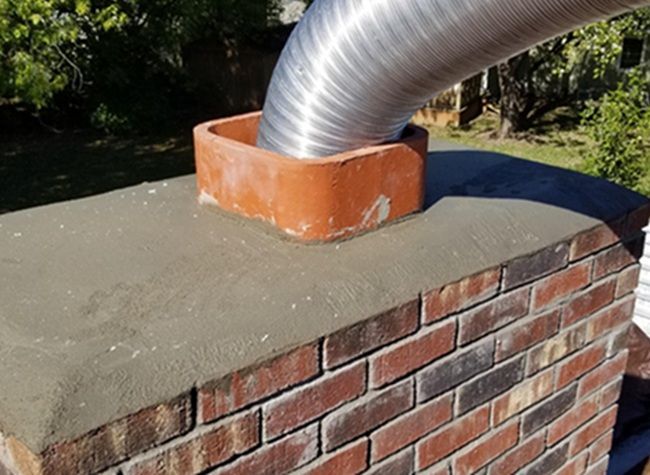
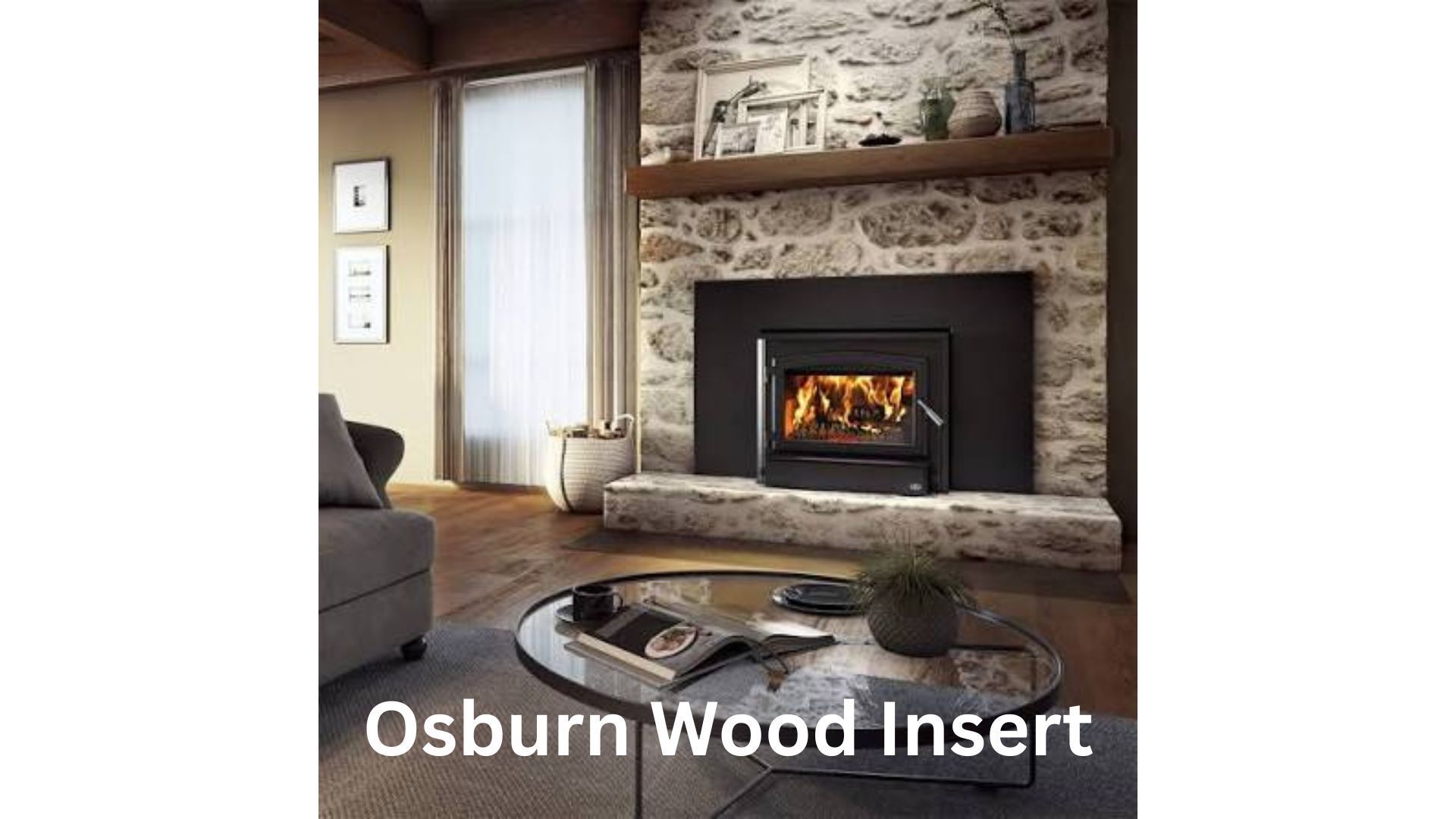
Listed stainless-steel liners are commonly used when installing
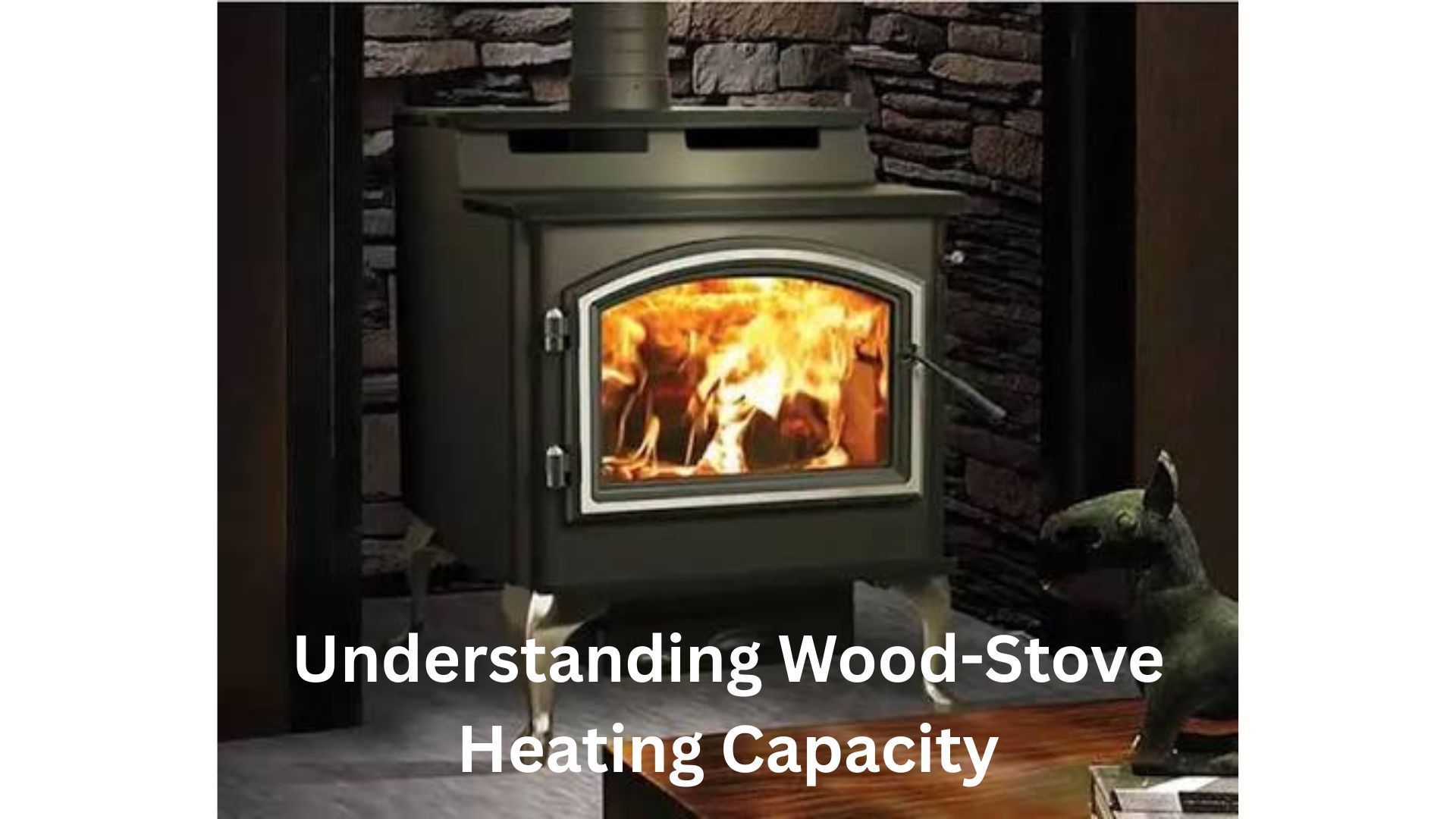
wood-burning fireplace inserts and certain other heating appliances. The liner must be properly sized, insulated when required and approved for the appliance and fuel.
Cast-in-Place Lining Systems
A cast-in-place system uses a specialized cement-like material to create a new passage inside an existing masonry chimney. This option may seal defects while maintaining the chimney’s general flue shape.
Clay Flue-Tile Replacement
Individual clay tiles can sometimes be repaired or replaced, but extensive damage may require portions of the chimney masonry to be opened or rebuilt. The chimney’s construction and accessibility determine whether this is practical.
How Is a Fireplace Chimney Relined?
The process normally begins with a Level 2 inspection and measurements of the chimney and fireplace. The flue is then cleaned, and loose material or obstructions may need to be removed.
The technician selects and sizes a lining system for the fireplace or connected appliance. Depending on the system, the new liner may be lowered through the chimney, assembled in sections or formed inside the existing flue. Approved components are used to connect it at the fireplace or appliance and terminate it properly at the chimney top.
Insulation, clearances and connection requirements must follow the liner listing, appliance instructions and applicable codes. After installation, the system should be inspected to verify that it is continuous, properly connected and ready for use.
Can You Reline a Chimney Yourself?
Chimney relining is generally not a suitable do-it-yourself project. Incorrect liner size, unsupported joints, improper insulation or an inadequate connection can cause poor draft, excessive creosote accumulation or heat transfer to nearby materials.
The EPA advises professional installation and annual inspection of wood-burning appliances, chimneys and venting because installation errors may not be visible before a fire or performance problem occurs.
EPA Burn Wise also recommends having wood-burning systems checked annually by a certified professional.
Does Every Damaged Chimney Need a New Liner?
Not necessarily. Limited defects may qualify for an approved repair system, while extensive deterioration may require complete relining. Structural masonry damage, chimney leaks and deteriorated crowns or flashing must be addressed separately because a new liner does not repair the exterior chimney.
The correct recommendation should be based on inspection findings, the chimney’s construction and how the fireplace will be used.
Schedule a Chimney Liner Inspection
Ace Chimney, Fireplace & Outdoor Living provides CSIA Certified chimney inspections and professional
chimney relining in Louisville, KY,
Lexington, KY, and surrounding Kentucky communities. If your liner is cracked, deteriorated or improperly sized, our team can evaluate the chimney and recommend an appropriate repair or relining system.