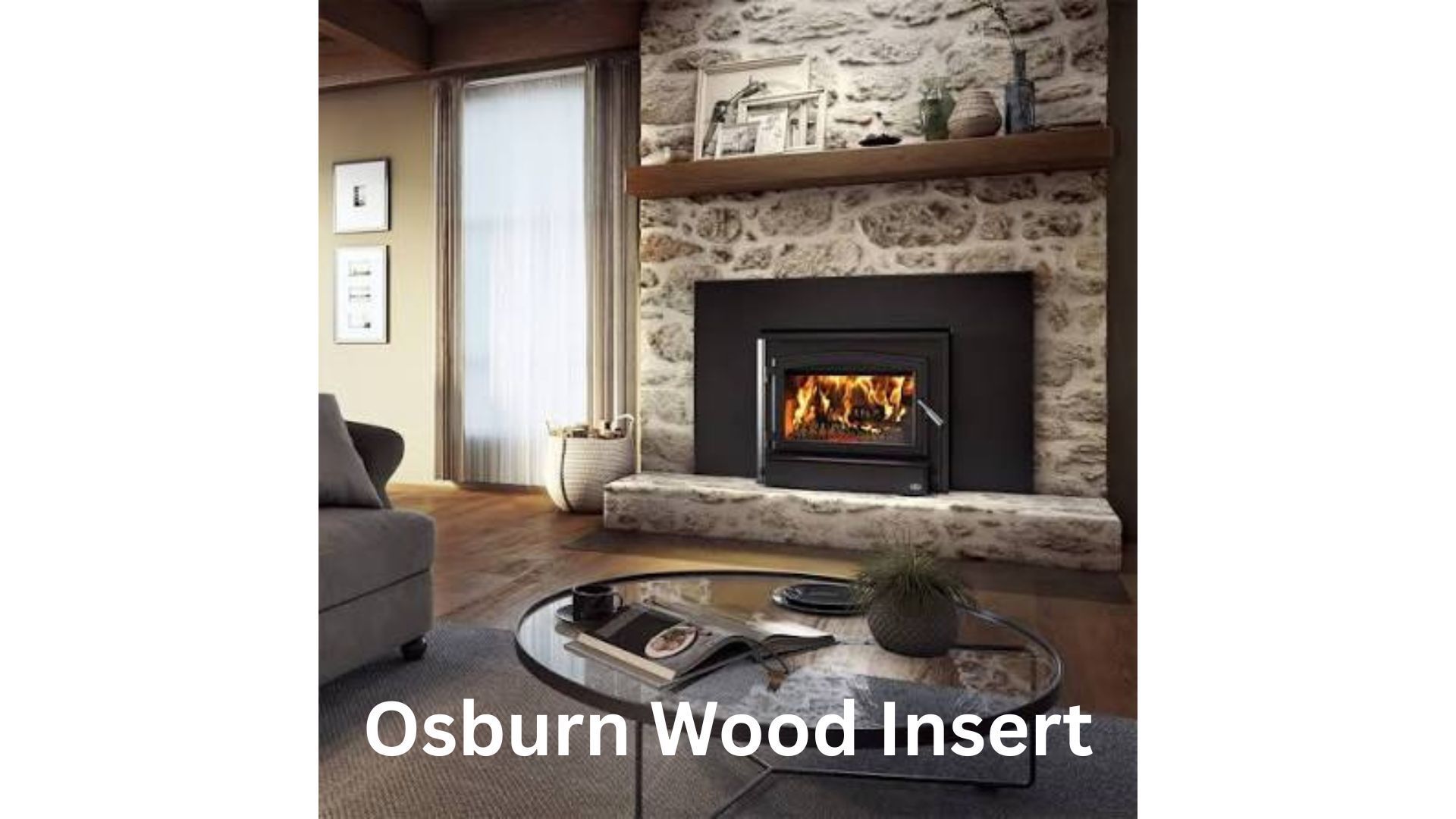
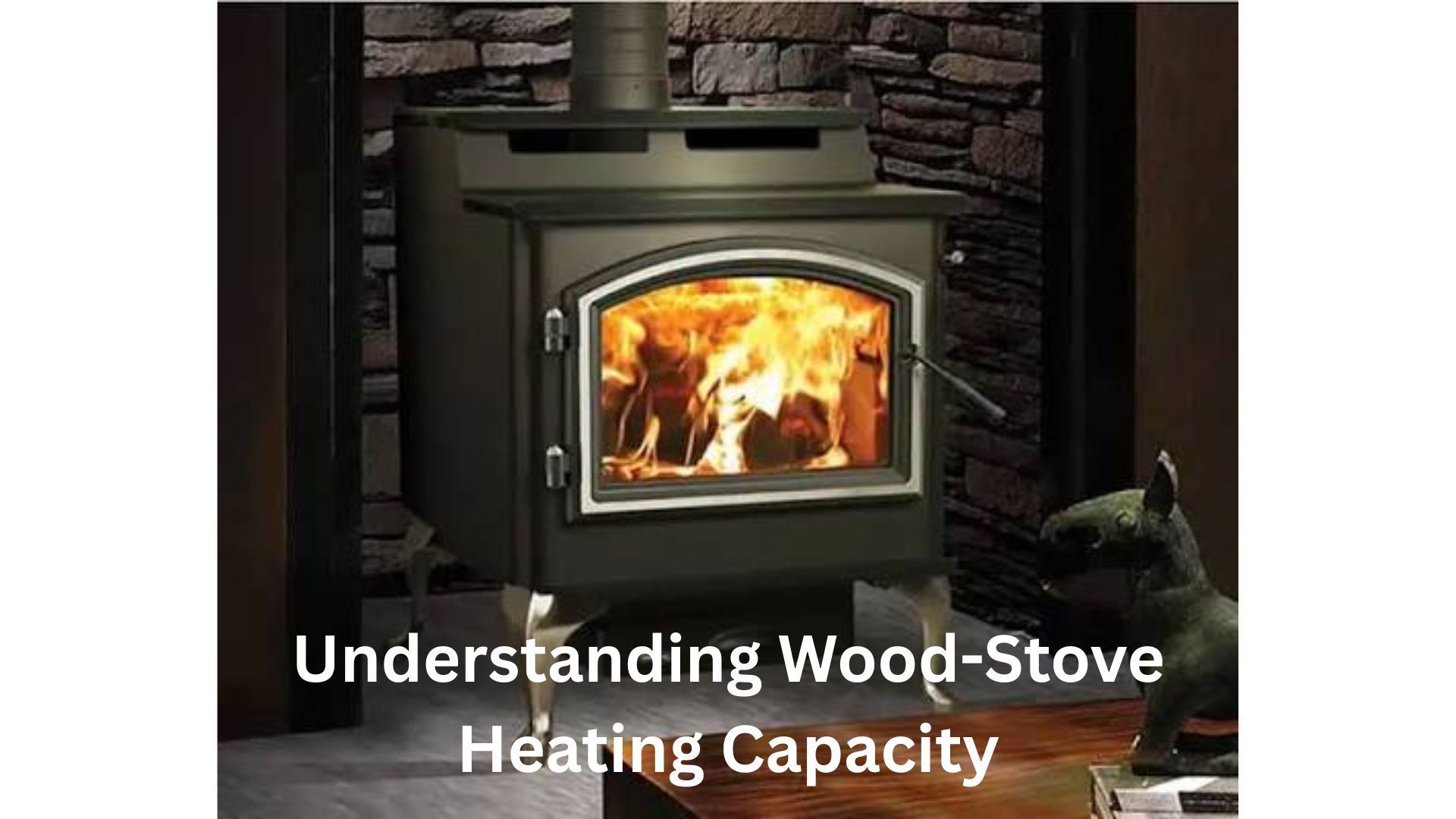
A wood insert is usually better than an open fireplace for heating. Its sealed firebox controls combustion and transfers more heat into the room. An open fireplace provides atmosphere, but much of its heat and heated room air can escape through the chimney.
A Wood Insert Produces More Usable Heat
An open fireplace mainly provides radiant heat while the fire is burning. Its strong chimney draft can pull warm household air up the flue, causing the heating system to work harder in other rooms.
A wood insert works more like a wood stove. The steel or cast-iron firebox retains heat, while natural convection or a blower moves that heat into the living space. Heating capacity depends on the insert model, floor plan, insulation, ceiling height and firewood.
Inserts Use Firewood More Efficiently
EPA-certified wood inserts control the amount of air reaching the fire. This allows the appliance to burn wood more completely than a traditional open fireplace. Homeowners generally receive more usable heat from each load and spend less time adding wood.
Actual efficiency depends on proper installation, operation and dry firewood.
You Gain Better Control of the Fire
An insert’s sealed door and air controls allow the homeowner to adjust the burn rate. The fire can provide steadier heat for a longer period instead of burning quickly and sending much of the energy up the chimney.
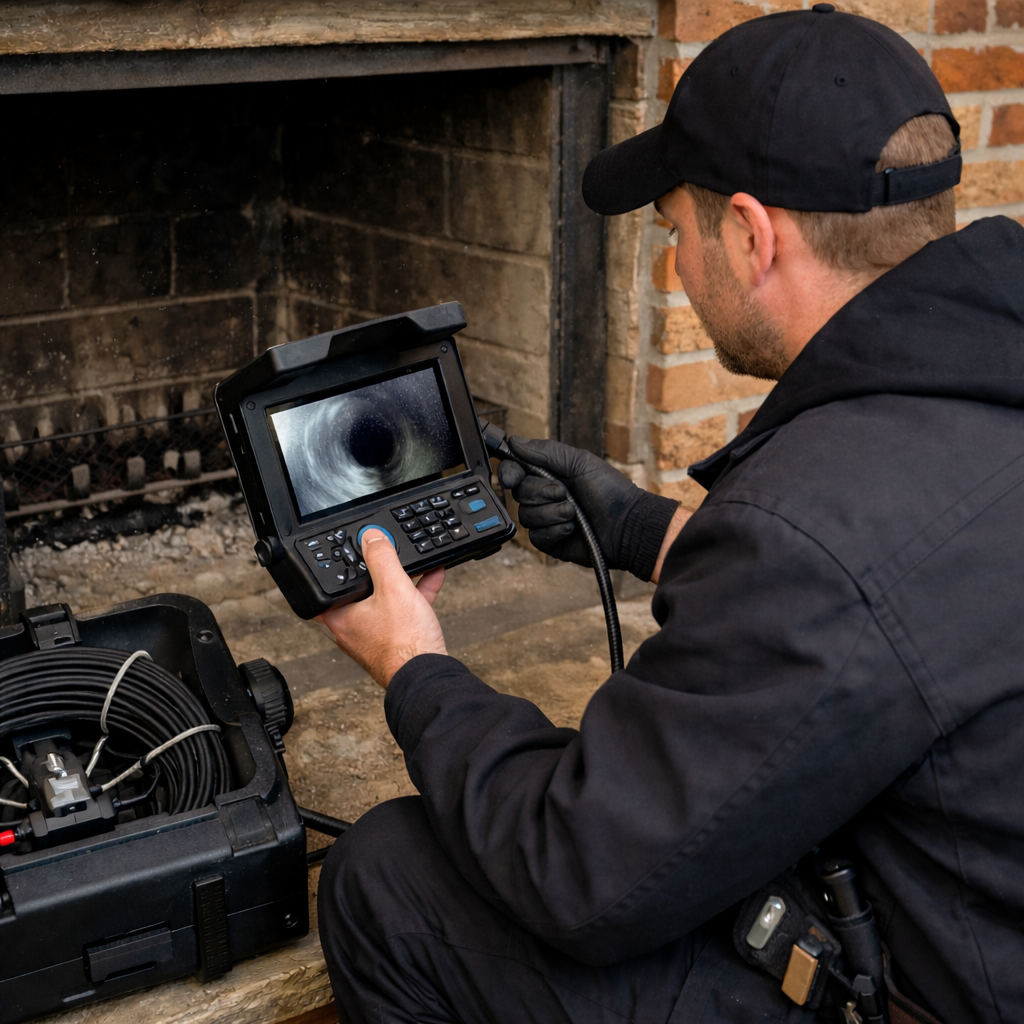
The closed firebox also helps contain sparks, ash and rolling embers. An insert still requires annual inspections and cleaning when necessary.
Can Every Fireplace Accept a Wood Insert?
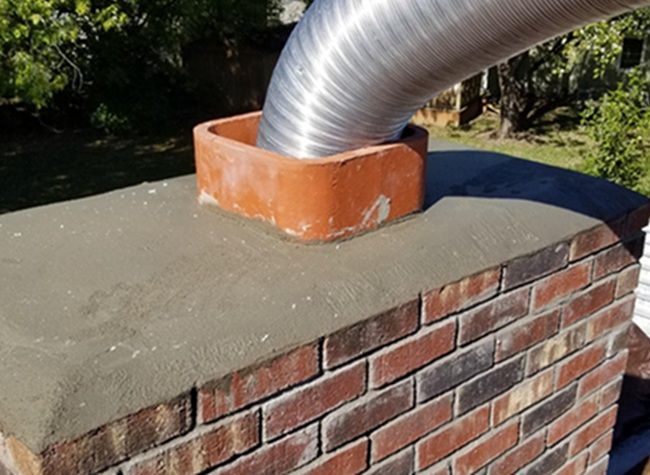
No. The fireplace opening, hearth, chimney condition and required clearances must match the selected appliance. A masonry fireplace commonly receives a stainless-steel liner sized for the insert and extended through the chimney.
A factory-built fireplace can accept only an insert specifically tested and approved for that unit.
Frequently Asked Questions
Will an insert heat the whole house?
Possibly, but results depend on the insert’s rated capacity and how air moves through the home. An insert should be sized to the actual heating area rather than selected only by the fireplace opening.
Does a wood insert need electricity?
The fire can burn without electricity, but a blower requires power. Heat output and circulation may be reduced during an outage.
Is an open fireplace ever the better choice?
Yes. Homeowners who primarily want an open-flame experience may prefer the traditional fireplace. Those seeking dependable supplemental heat generally benefit more from an insert.
Explore Wood Insert Installation
Ace Chimney, Fireplace & Outdoor Living provides NFI Certified wood insert installation in Louisville, Lexington and surrounding Kentucky communities. Our team can inspect the existing fireplace and chimney, help size the appliance and explain the liner and installation requirements.