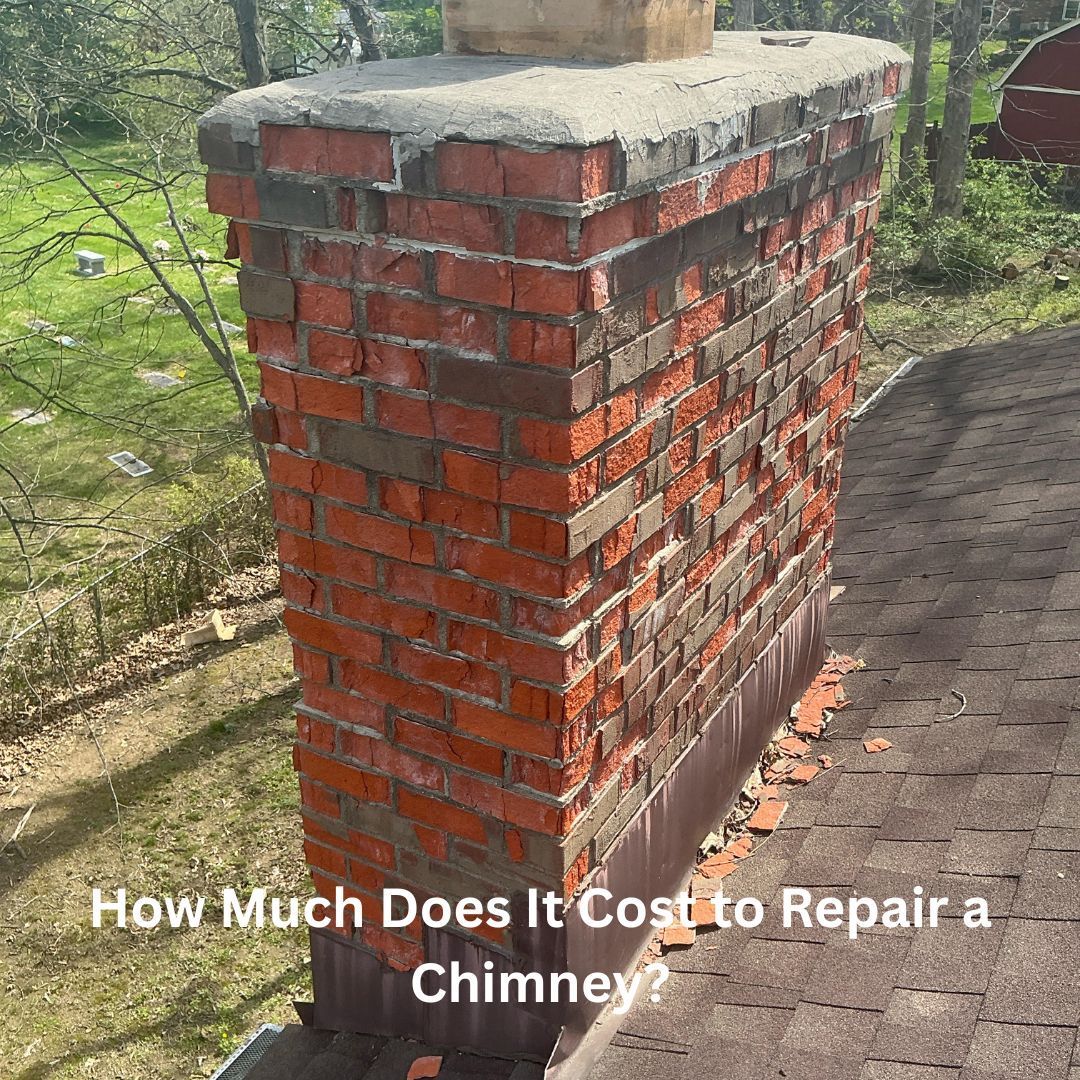
Brick spalling occurs when the surface of a brick flakes, chips, cracks or breaks away. You may notice small pieces of brick on the roof or ground, rough areas on the chimney or bricks that appear to be losing their outer face.
Spalling is more than a cosmetic issue. Damaged bricks can continue deteriorating, allowing additional water into the chimney. Homeowners needing
chimney repair Louisville KY or
chimney repair Lexington KY should have spalling evaluated before the masonry damage spreads.
What Causes Chimney Bricks to Spall?
Moisture is the leading cause of brick spalling. Bricks are porous and naturally absorb some water. When moisture enters the masonry and freezes, it expands. Repeated freeze-thaw cycles place pressure on the brick until its surface begins breaking apart.
Several chimney problems can increase water exposure, including:
- A cracked or deteriorated chimney crown
- Missing or damaged chimney caps
- Failed mortar joints
- Damaged
roof flashing
- Improperly applied masonry coatings
- Poor drainage around the chimney
- Naturally soft or highly absorbent bricks
Kentucky’s rain, humidity and winter temperature changes can make chimneys particularly vulnerable to moisture-related deterioration.
What Are the Signs of Brick Spalling?
The most noticeable sign is a brick with a flaking or missing outer surface. Other warning signs include loose masonry pieces, deep cracks, crumbling mortar and bricks that feel soft or appear recessed.
White staining, known as efflorescence, can also indicate that moisture is moving through the masonry. Interior water stains or dampness around the fireplace may mean the chimney has a larger leak that requires attention.
Can Spalling Bricks Be Repaired?
The proper repair depends on how much of each brick has deteriorated. A minor surface defect may only require monitoring and correction of the moisture source. Bricks with significant damage generally need to be removed and replaced with compatible masonry units.
Damaged mortar joints may also require tuckpointing. Severe deterioration can make a partial chimney rebuild necessary.
Simply covering a spalled brick with mortar does not restore the brick and may conceal continuing damage.
Will Waterproofing Stop Brick Spalling?
A breathable masonry water repellent can reduce the amount of rain absorbed by appropriate chimney masonry while still allowing moisture vapor to escape. However, waterproofing cannot repair bricks that are already deteriorating.
Before treatment, damaged bricks, mortar joints, crowns, caps and flashing should be evaluated. Paint or non-breathable coatings may trap moisture inside the masonry and make the problem worse.
Why Should Spalling Be Repaired Early?
As a brick loses its protective surface, it can absorb more water and deteriorate faster. Continued damage may weaken surrounding mortar joints and affect the stability of the chimney. Early repairs are typically less extensive than waiting until multiple sections require rebuilding.
Schedule a Chimney Masonry Inspection
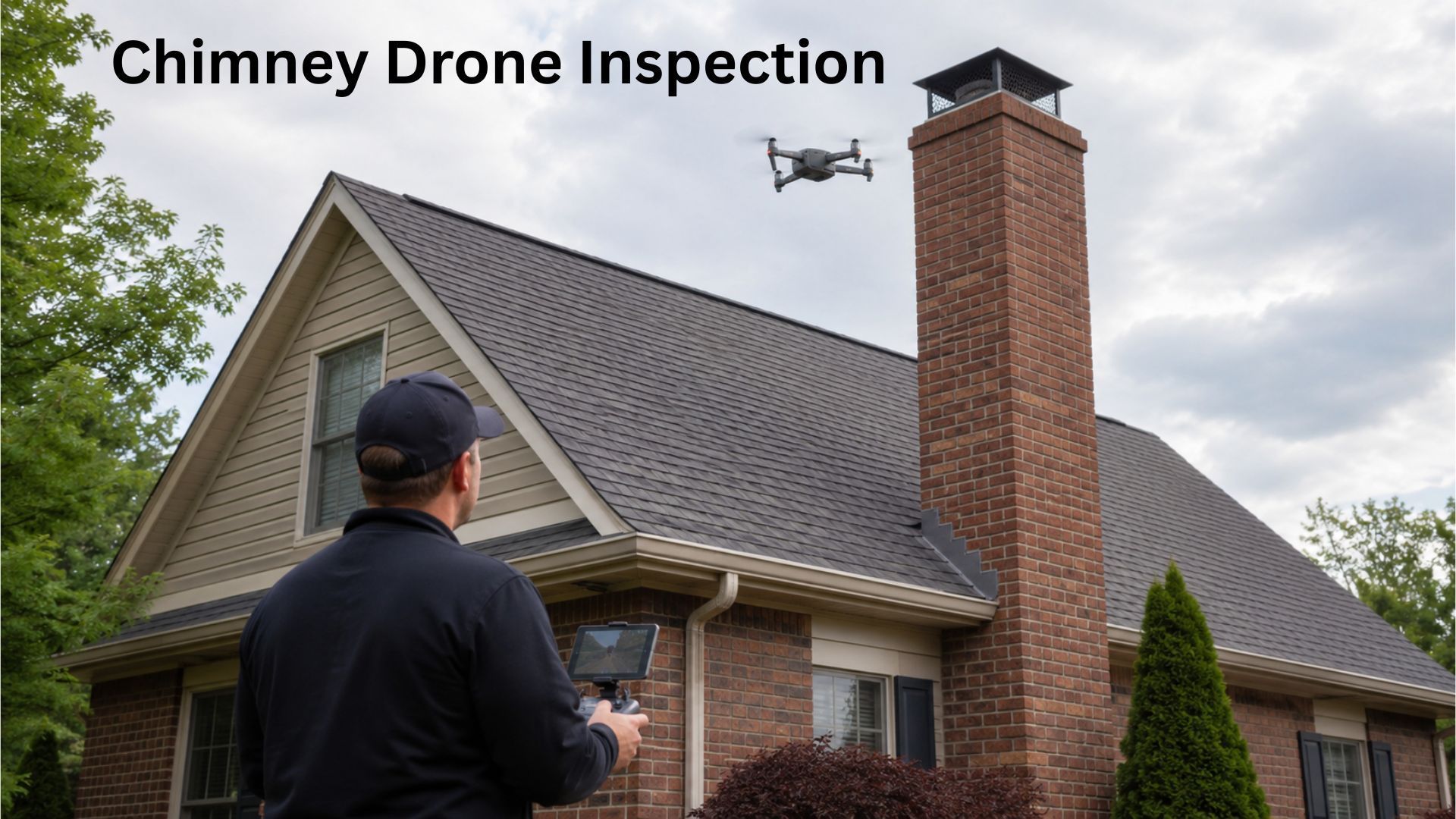
Ace Chimney, Fireplace & Outdoor Living provides CSIA Certified chimney inspections and professional
chimney repair in Louisville, KY, and
chimney repair in Lexington, KY. If your chimney has flaking bricks, loose masonry or signs of water damage, schedule an inspection to determine the cause and appropriate repair.