Before colder weather arrives, your fireplace and chimney should be prepared for safe, dependable use. Months of rain, humidity, animal activity and changing temperatures can create problems that are not visible from inside the home.
Seasonal preparation can help identify chimney damage, venting problems and maintenance needs before the first fire. Homeowners scheduling
fireplace inspection in Louisville, KY, or
fireplace inspection in Lexington, KY, should consider the following steps.
Schedule a Chimney and Fireplace Inspection
A professional inspection evaluates the accessible portions of the fireplace, chimney and venting system. The technician may look for creosote buildup, damaged chimney liners, masonry deterioration, blockages, water intrusion and improperly operating components.
An annual inspection is important even when the fireplace is used only occasionally. Weather, animals and moisture can affect a chimney during the months when it is not being used.
Have the Chimney Cleaned When Needed
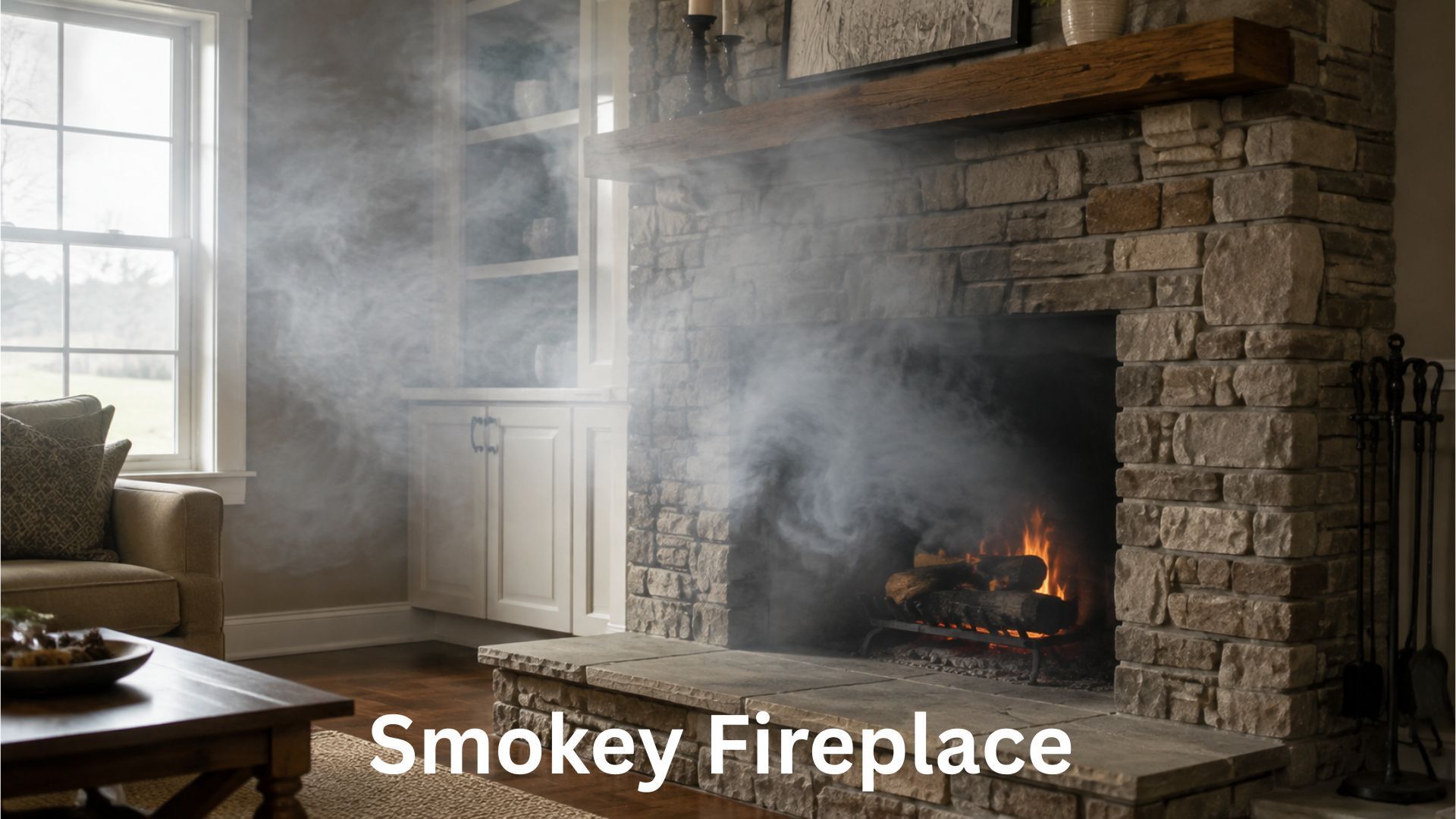
Wood-burning fireplaces can produce soot and creosote, a combustible residue that collects inside the flue. The amount of buildup varies according to the wood, fireplace operation and frequency of use.
A chimney inspection can determine whether cleaning is necessary. Do not assume the chimney is ready simply because it was not used heavily during the previous season.
Check for Chimney Leaks and Masonry Damage
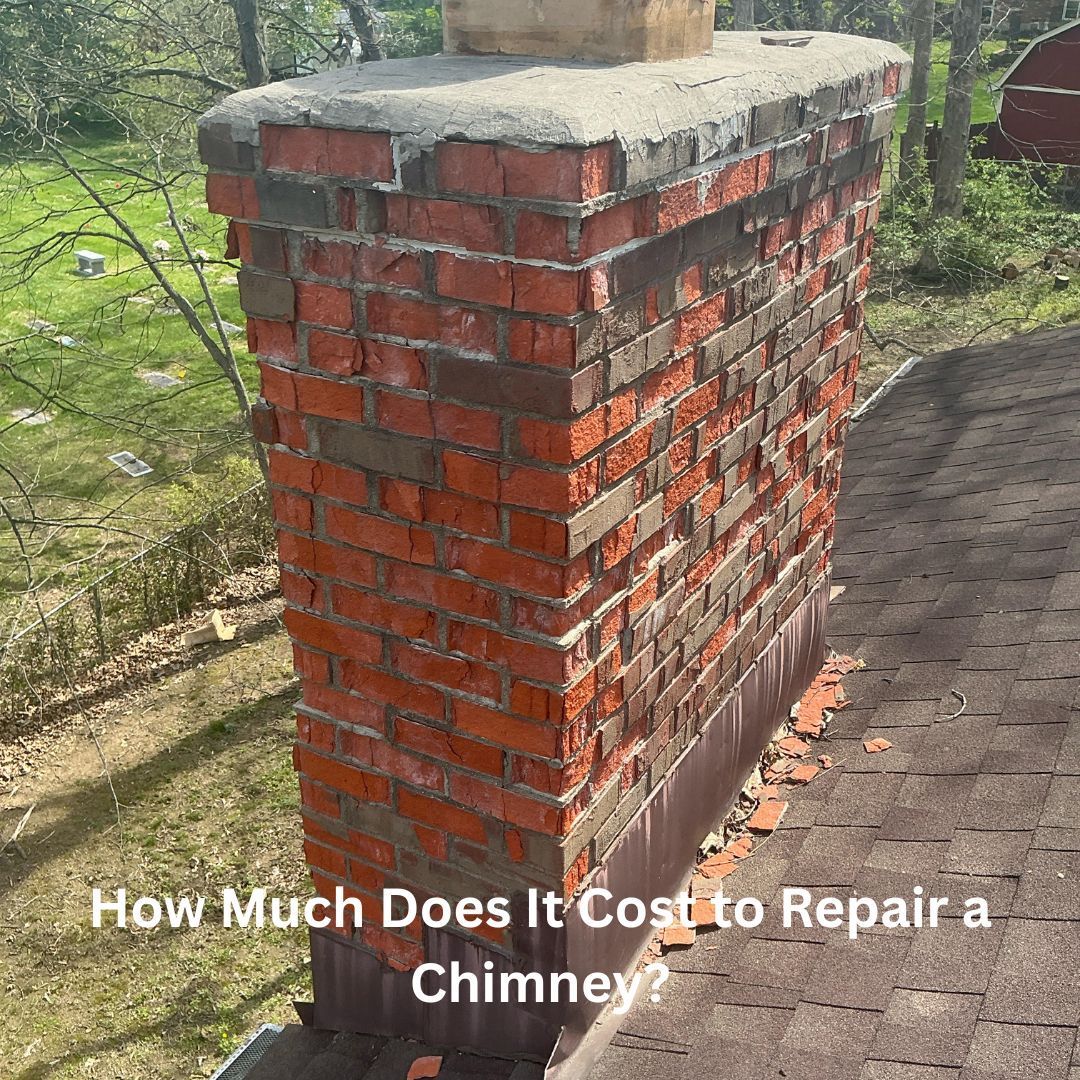
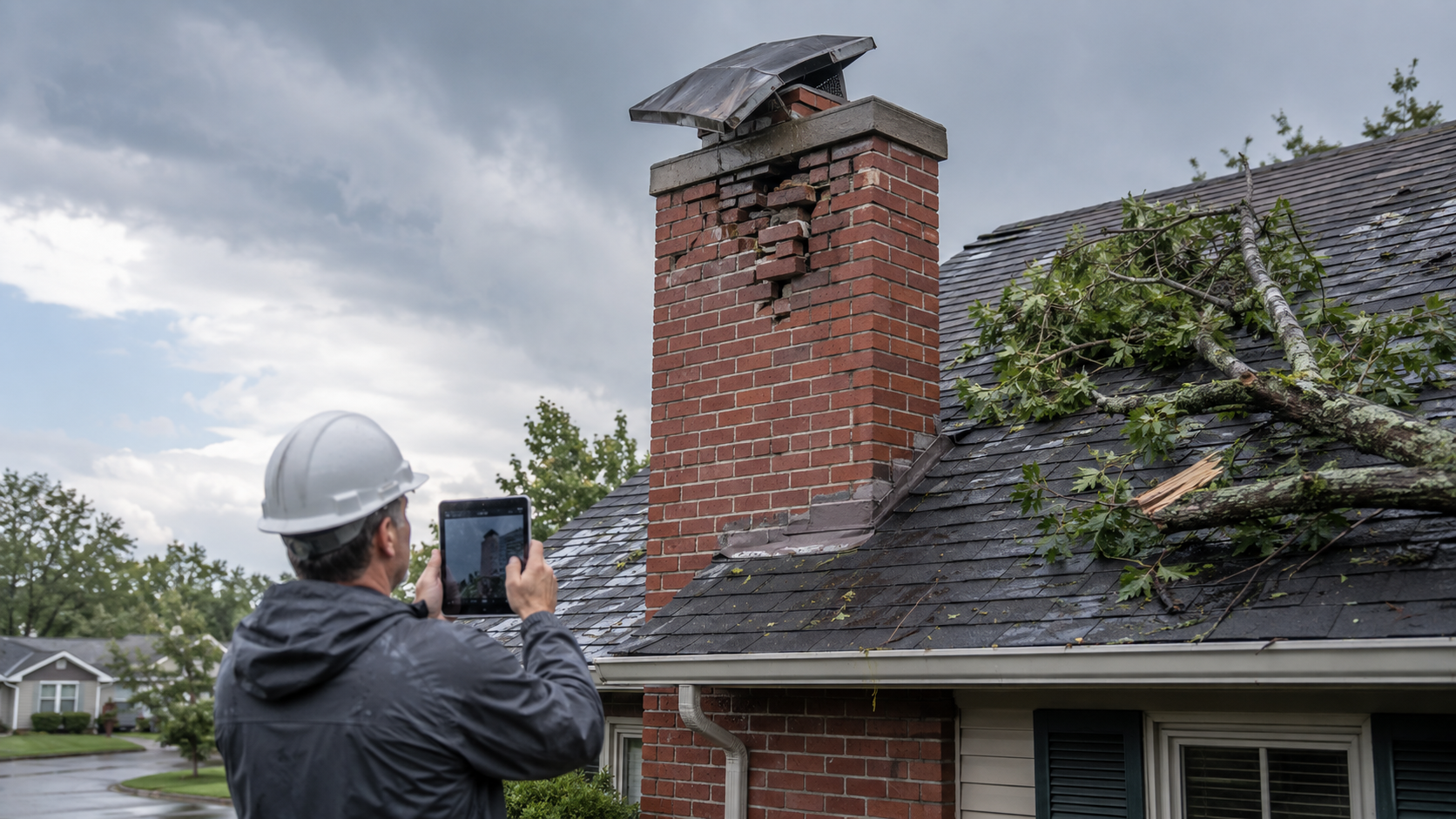
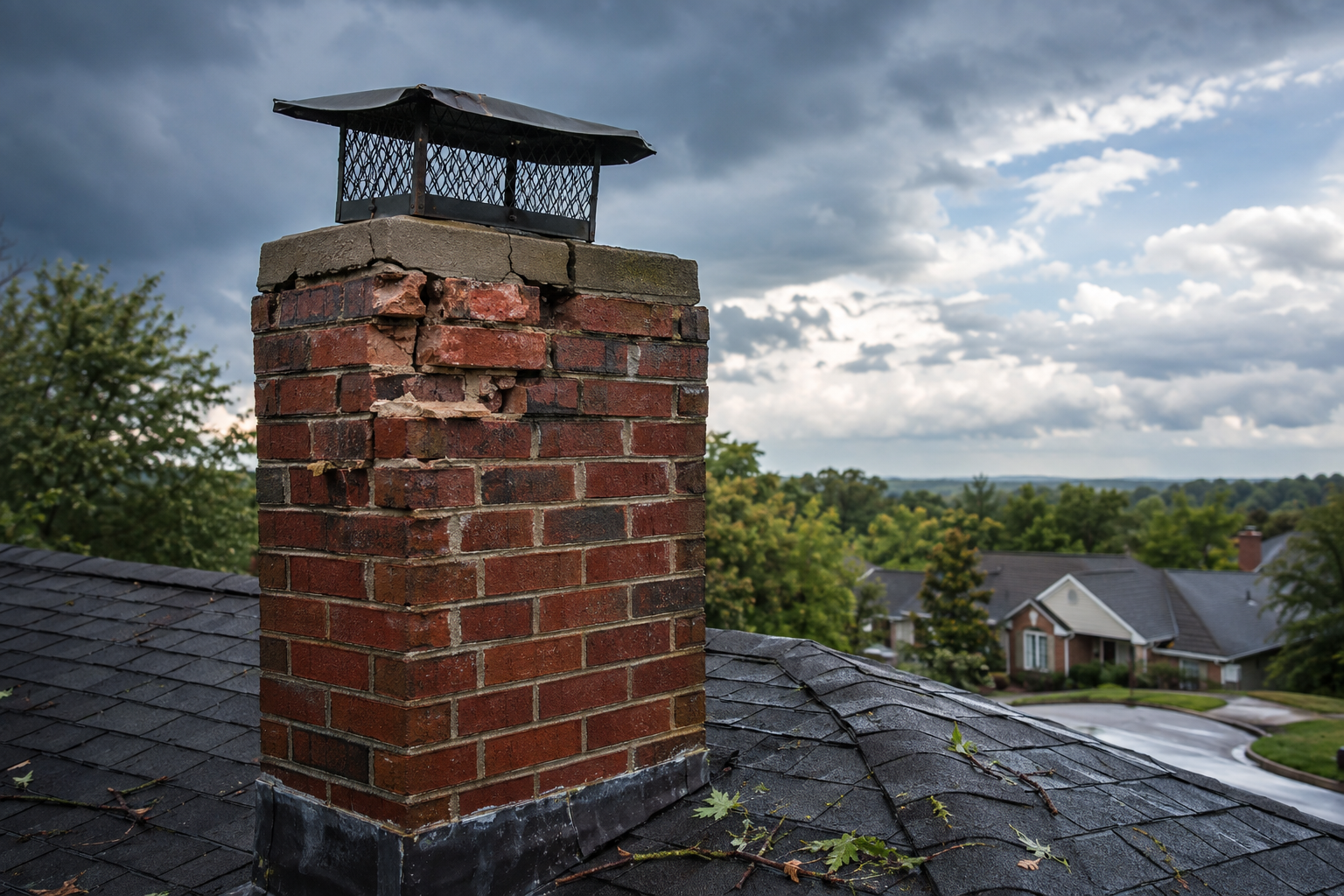
Look for water stains, damp odors, rust, loose bricks, cracked mortar and white deposits on the chimney. These signs may indicate moisture intrusion or
deteriorating masonry.
Kentucky’s rain and freeze-thaw cycles can worsen small defects over time. Professional
chimney repair Louisville KY or
chimney repair Lexington KY may include repairing mortar joints, replacing damaged bricks, correcting crown problems or addressing flashing and chimney-cap issues.
Examine the Chimney Cap and Chase Cover
A
chimney cap helps keep rain, debris and animals out of the flue. Factory-built fireplaces may also have a metal chase cover protecting the top of the chimney chase.
A missing cap or rusted chase cover can allow water into the chimney system. From the ground, look for visible damage, but avoid climbing onto the roof. A qualified technician can inspect these components safely.
Clear the Area Around the Fireplace
Remove decorations, furniture, firewood and other combustible materials from the area surrounding the fireplace. Make sure the hearth and fireplace opening are unobstructed.
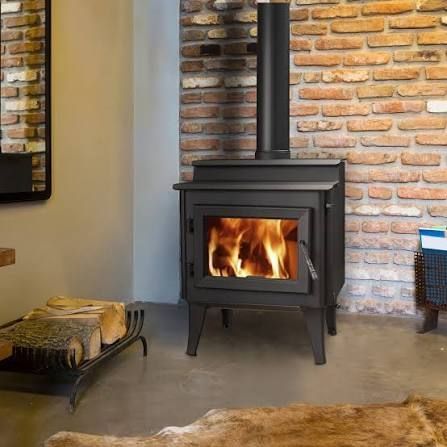
For a wood-burning fireplace, use a properly fitted screen to help contain sparks. Never burn cardboard, trash, treated lumber or painted wood. Use dry, seasoned firewood to reduce smoke and excessive creosote production.
Test Smoke and Carbon-Monoxide Alarms
Test every smoke and carbon-monoxide alarm in the home and replace batteries when needed. Follow the manufacturer’s instructions for testing and replacing each alarm.
Every household should also have an emergency plan. If smoke or carbon monoxide is detected, leave the home and contact emergency services from a safe location.
Prepare Gas Fireplaces for the Season
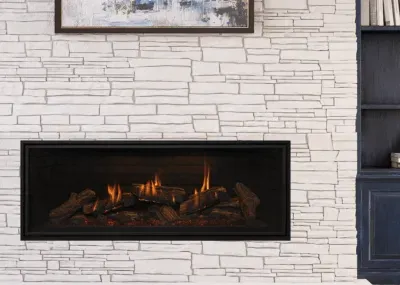
Gas fireplaces should be checked for dependable ignition, proper flame appearance and correct control operation. Replace remote-control and receiver batteries when applicable.
Schedule professional service if the pilot will not remain lit, the burner ignites slowly, soot appears on the glass or the fireplace produces an unusual odor. Never alter gas controls, reposition logs or bypass a safety component.
Schedule Seasonal Fireplace Service
Ace Chimney, Fireplace & Outdoor Living provides CSIA Certified inspections, chimney cleaning, fireplace service and professional chimney repair throughout Louisville, Lexington and surrounding Kentucky communities. Preparing your fireplace before the busy heating season provides time to identify necessary maintenance or repairs before you want to use it.