A Guide to Fireplace Cleaning, Chimney Sweeping and Annual Inspections
A fireplace should generally be cleaned and inspected at least once a year, but the correct schedule depends on the type of fireplace, how frequently it is used and how quickly soot or creosote accumulates. Regular fireplace cleaning helps improve performance, uncover damage and reduce the risk of chimney fires or harmful gases entering your home.
How Often Should a Wood-Burning Fireplace Be Cleaned?
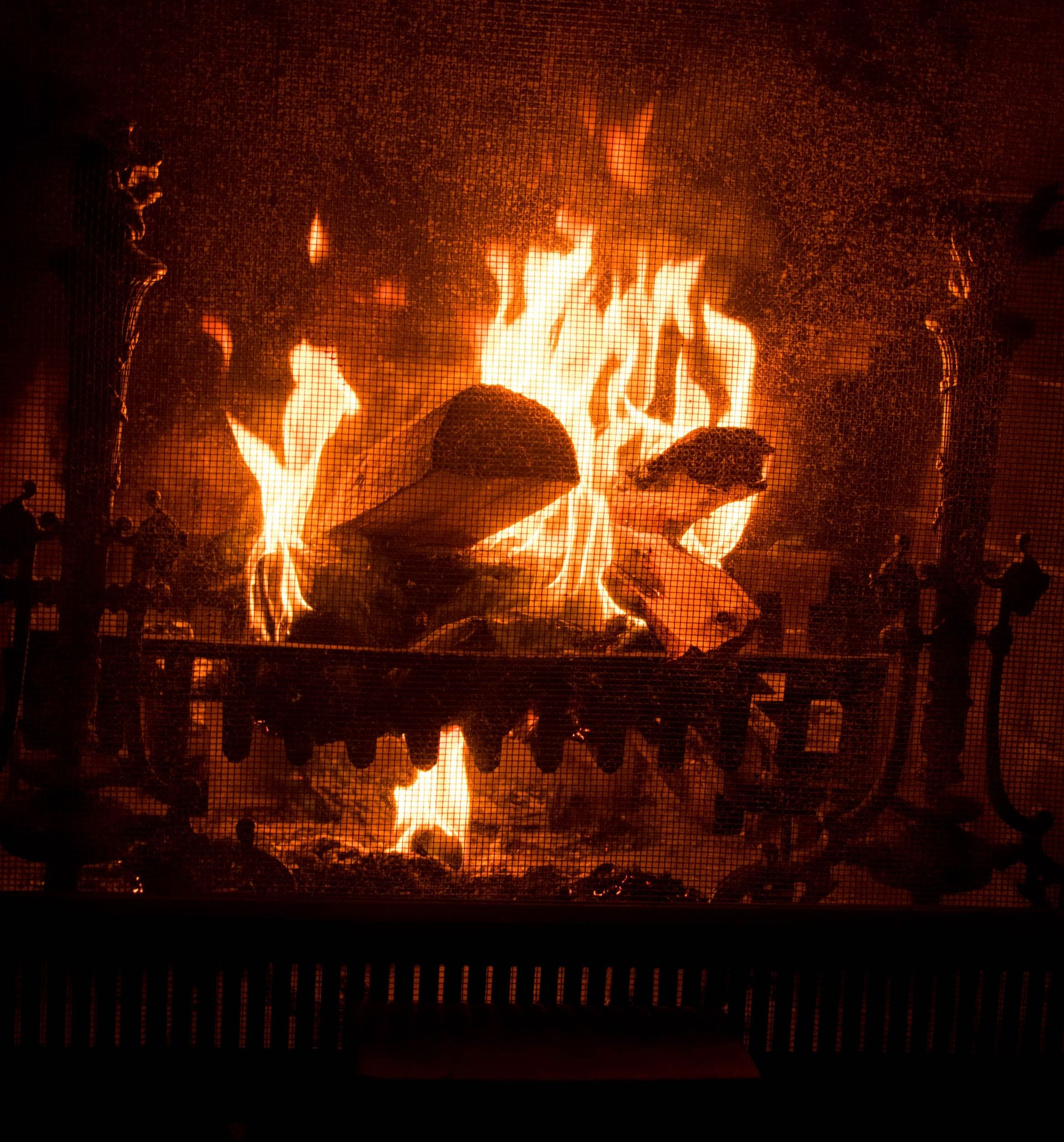
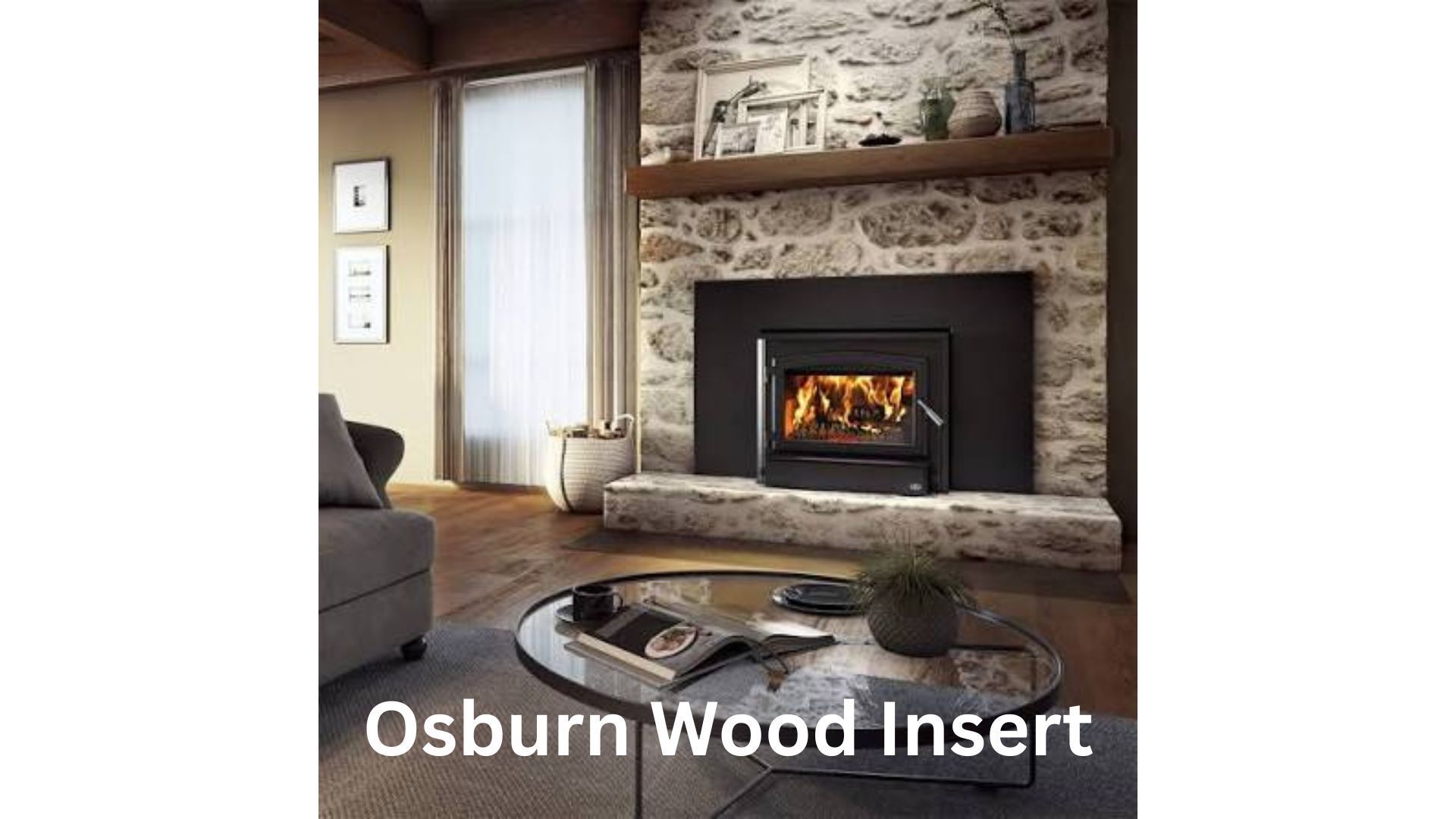
A wood-burning fireplace and chimney should be professionally inspected every year and cleaned whenever soot or creosote buildup is present. Homeowners who burn wood several times a week may require chimney cleaning more than once during the heating season.
Creosote is a combustible residue created when wood smoke cools inside the chimney. The buildup may appear flaky, sticky or glazed. Glazed creosote can be especially difficult to remove and should be evaluated by a qualified chimney professional.
The NFPA recommends having chimneys and heating systems inspected and cleaned annually before the heating season begins. Even a fireplace that is rarely used can develop problems from moisture, deteriorating masonry, animal nests or other blockages.
NFPA fireplace-safety guidance
Signs Your Fireplace and Chimney Need Cleaning
Schedule a fireplace inspection or chimney sweep if you notice:
- Strong smoky or musty odors
- Black soot around the firebox
- Visible creosote inside the chimney
- Smoke entering the room
- Fires that are difficult to start or keep burning
- Falling debris inside the fireplace
- Animal sounds or nesting material
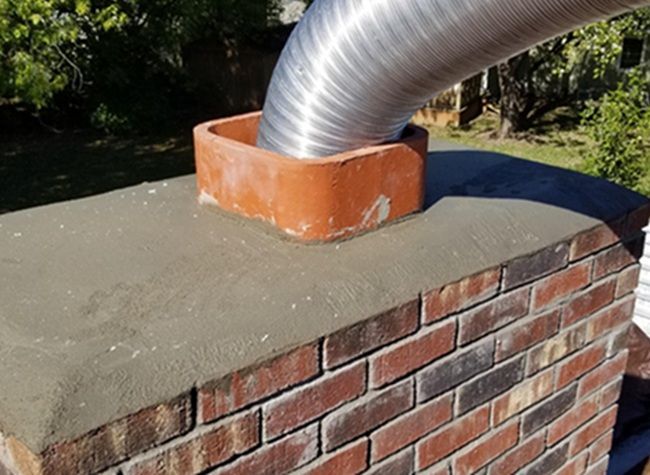
- A damaged or missing chimney cap
Never continue using a fireplace if you suspect a chimney fire, blockage or serious creosote buildup.
What About Gas and Electric Fireplaces?
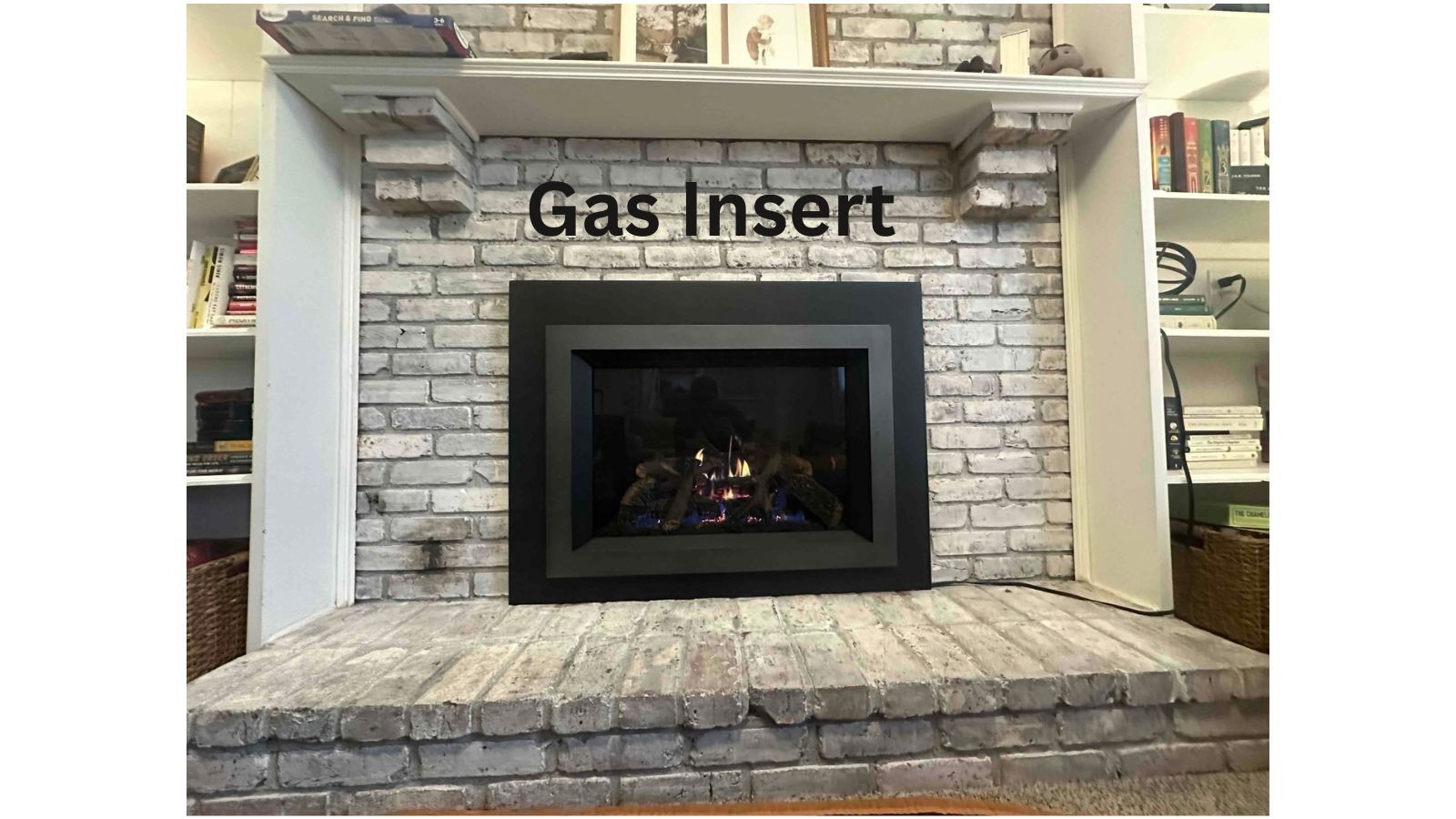
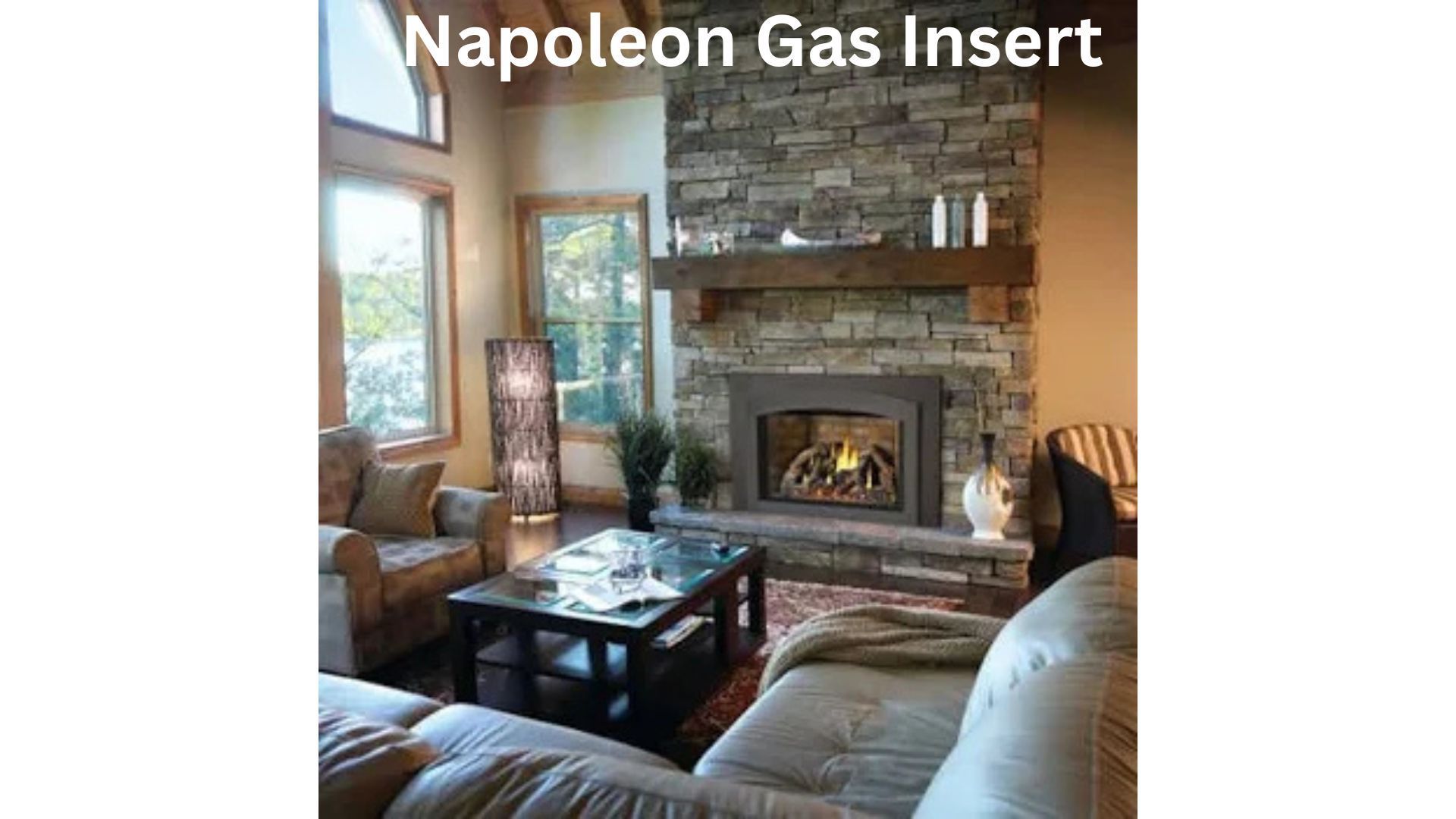
Gas fireplaces do not produce creosote like wood-burning fireplaces, but they still require periodic inspection and maintenance. Dust, pet hair and debris can collect around the burner, pilot assembly and air openings. The glass may also develop a cloudy film. A gas fireplace should typically be professionally serviced annually according to the manufacturer’s instructions.
Electric fireplaces do not require chimney sweeping. However, the air vents, heater intake and surrounding area should be cleaned regularly. Always turn off and unplug the unit before cleaning it and follow the manufacturer’s directions.
Does the Firebox Need to Be Cleaned After Every Fire?
You do not need to deep-clean a wood-burning firebox after every use. Leave the ashes until they are completely cold, then remove excess buildup with a metal shovel and place it in a covered metal container outdoors, away from combustible materials. A thin layer of ash can help insulate the next fire, but excessive ash can restrict airflow and create a mess.
Schedule an Annual Fireplace Inspection
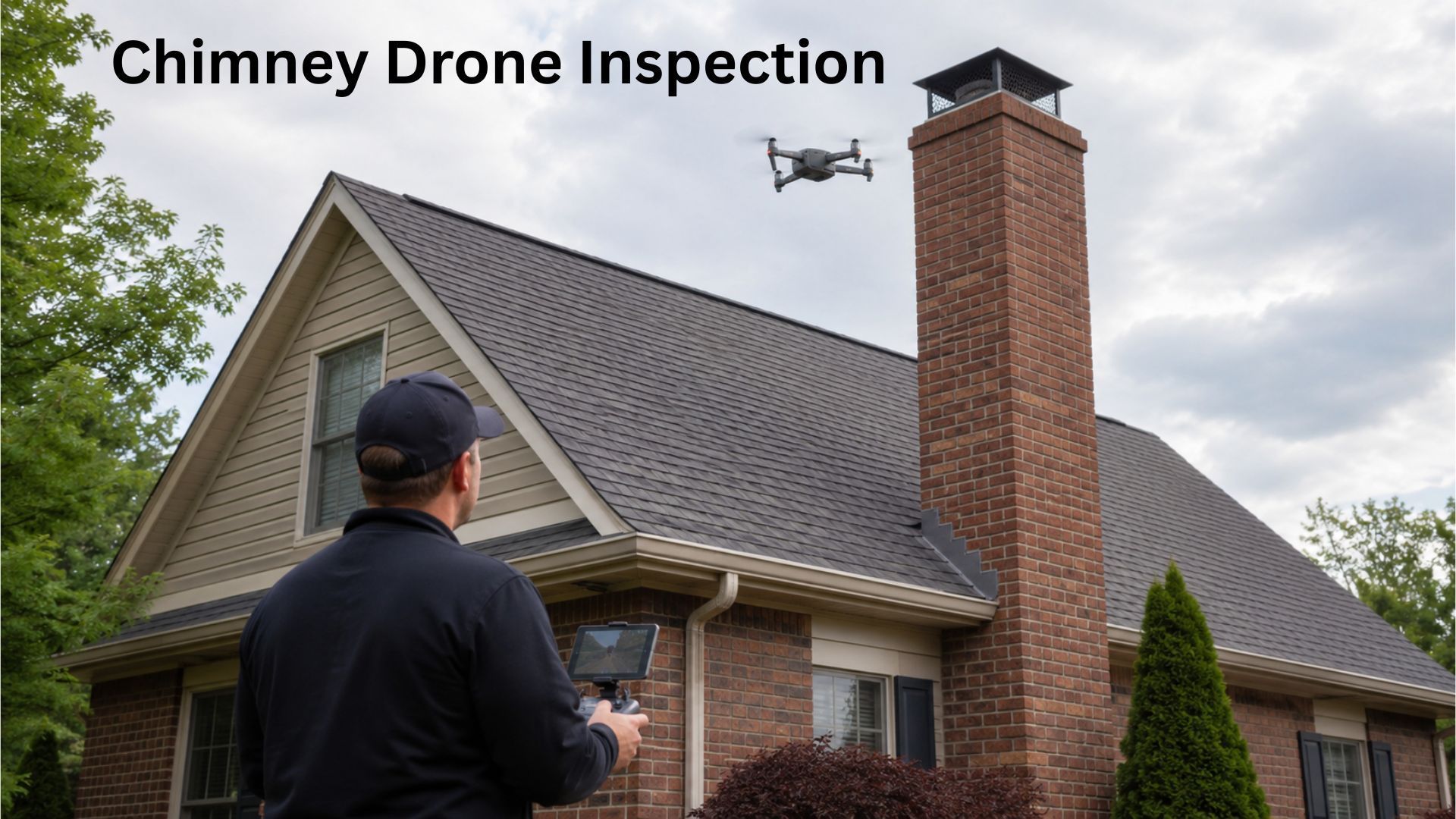
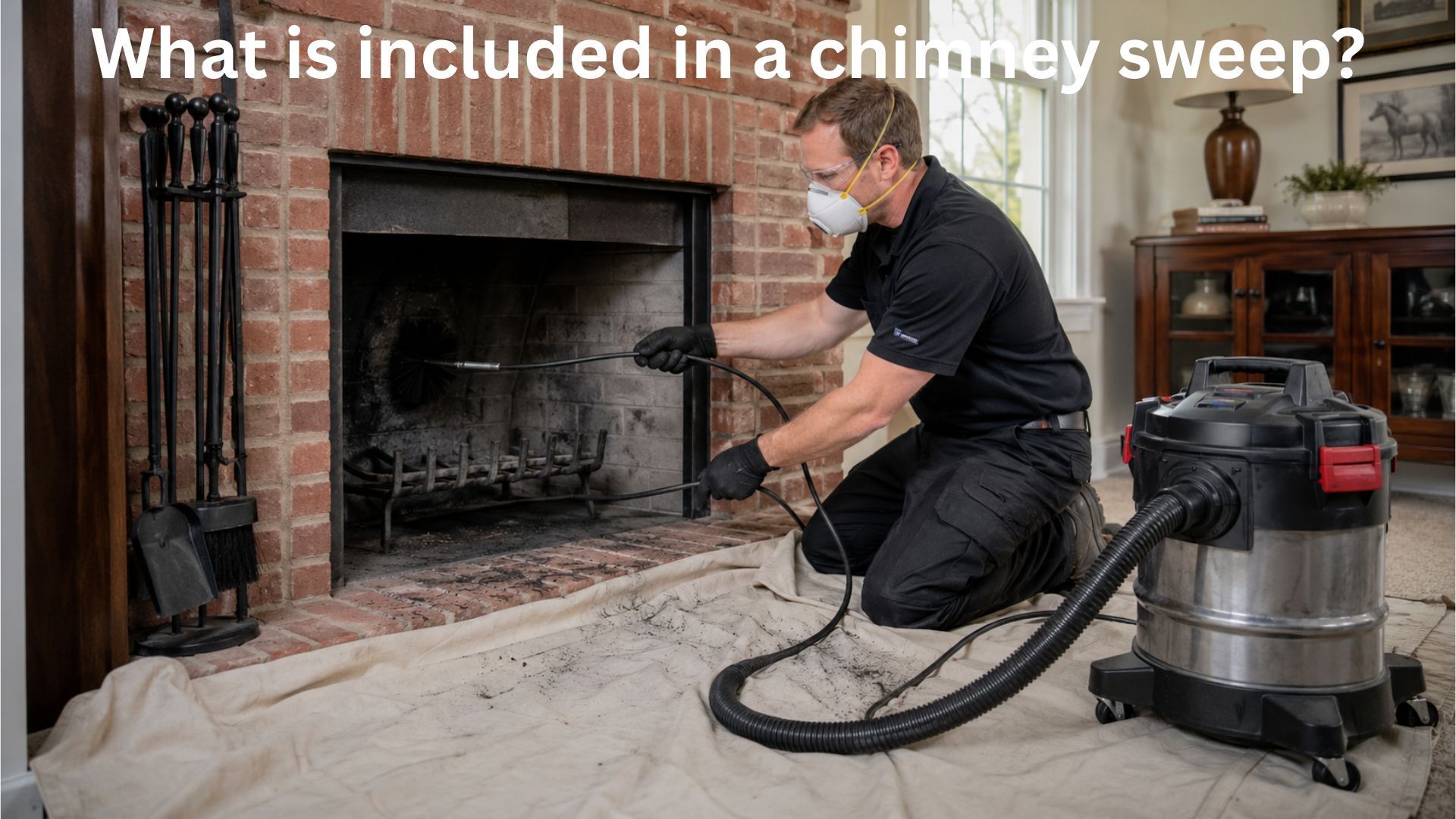
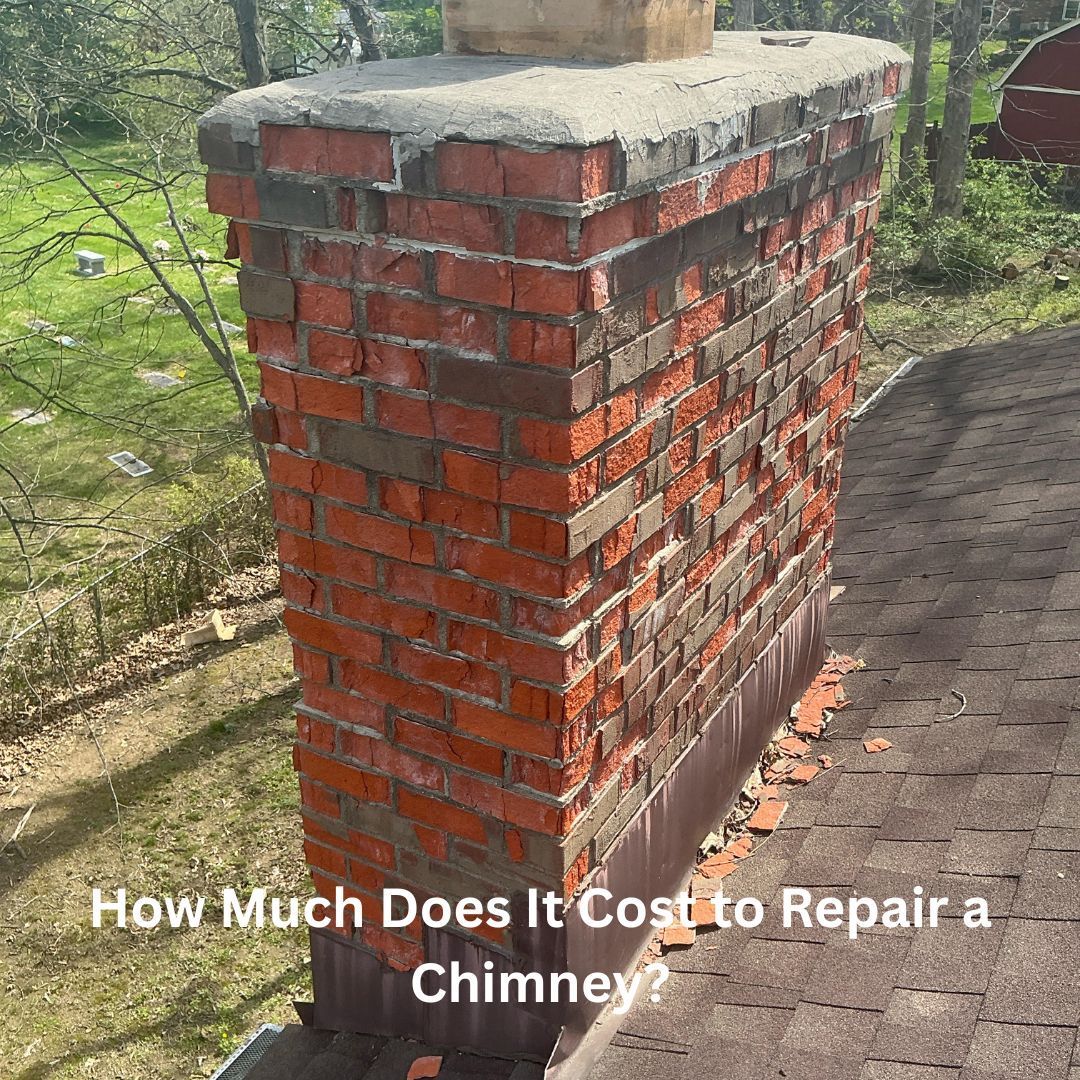
An annual fireplace and chimney inspection is the best way to determine whether cleaning or repairs are needed. A CSIA Certified chimney professional can check the flue, firebox, smoke chamber, chimney cap and accessible masonry for deposits, blockages or damage.
Ace Chimney, Fireplace & Outdoor Living provides fireplace inspections, chimney sweeping and chimney repair throughout the Louisville area. If you are unsure when your fireplace was last cleaned, schedule an inspection before using it again.