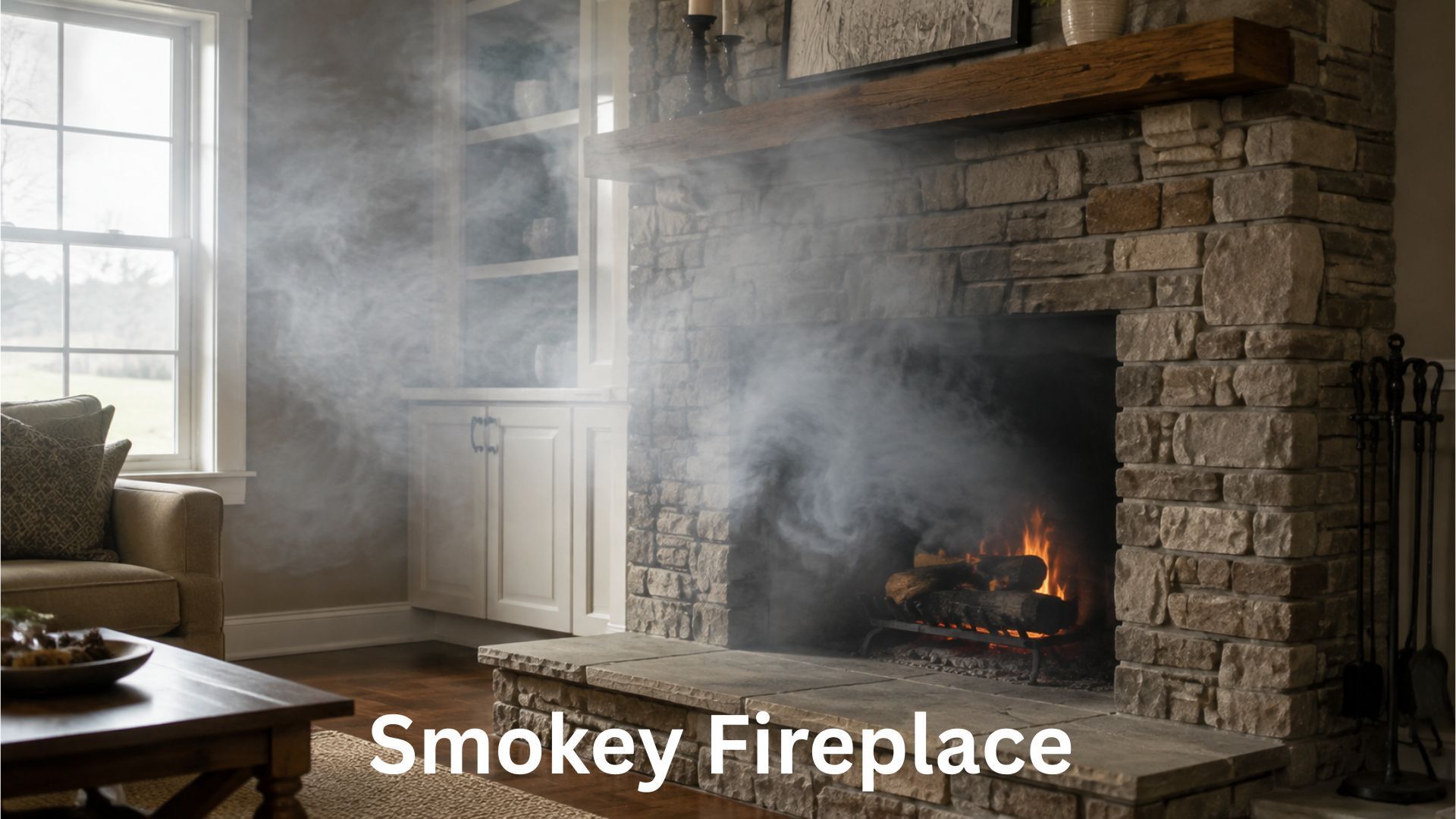
As electricity, natural gas and propane costs place more pressure on household budgets, many homeowners are looking for another way to heat their homes. Wood-burning fireplaces, fireplace inserts and freestanding wood stoves can provide supplemental heat while reducing reliance on a central heating system.
For homeowners considering a
wood stove or fireplace insert in Louisville, KY, or
Lexington, KY, the potential savings depend on the appliance, firewood costs, home design and how the system is operated.
Can Heating With Wood Lower Energy Bills?
Wood heat may lower heating expenses when homeowners have access to reasonably priced, properly seasoned firewood. Instead of heating every room, a wood-burning appliance can concentrate heat in the areas where the family spends the most time.
Actual savings vary. The home’s insulation, appliance efficiency, firewood price and winter weather all affect heating costs. Wood heat should be viewed as one part of a home-heating plan rather than a guaranteed way to eliminate other utility bills.
Modern Wood Stoves Are More Efficient
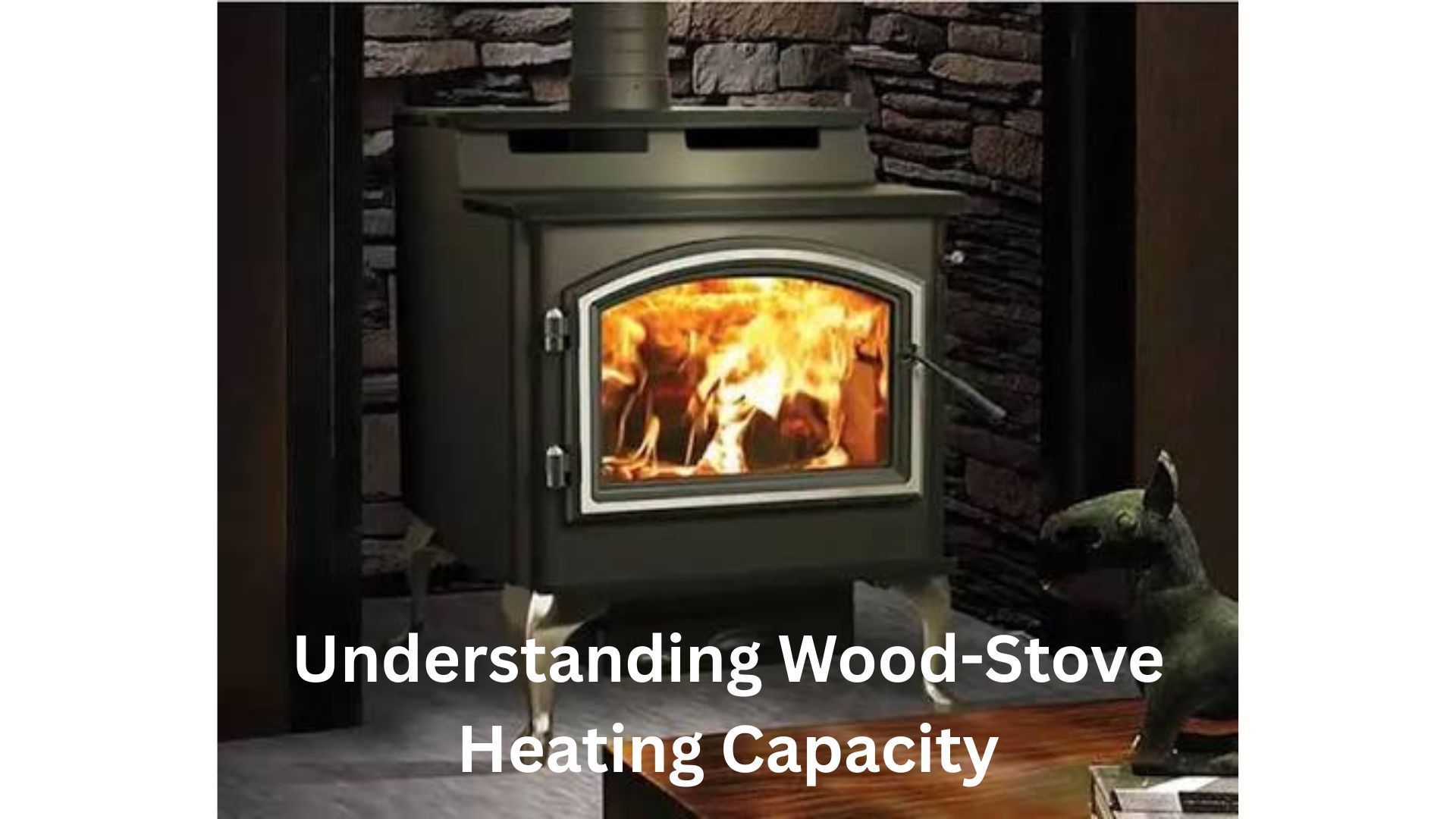
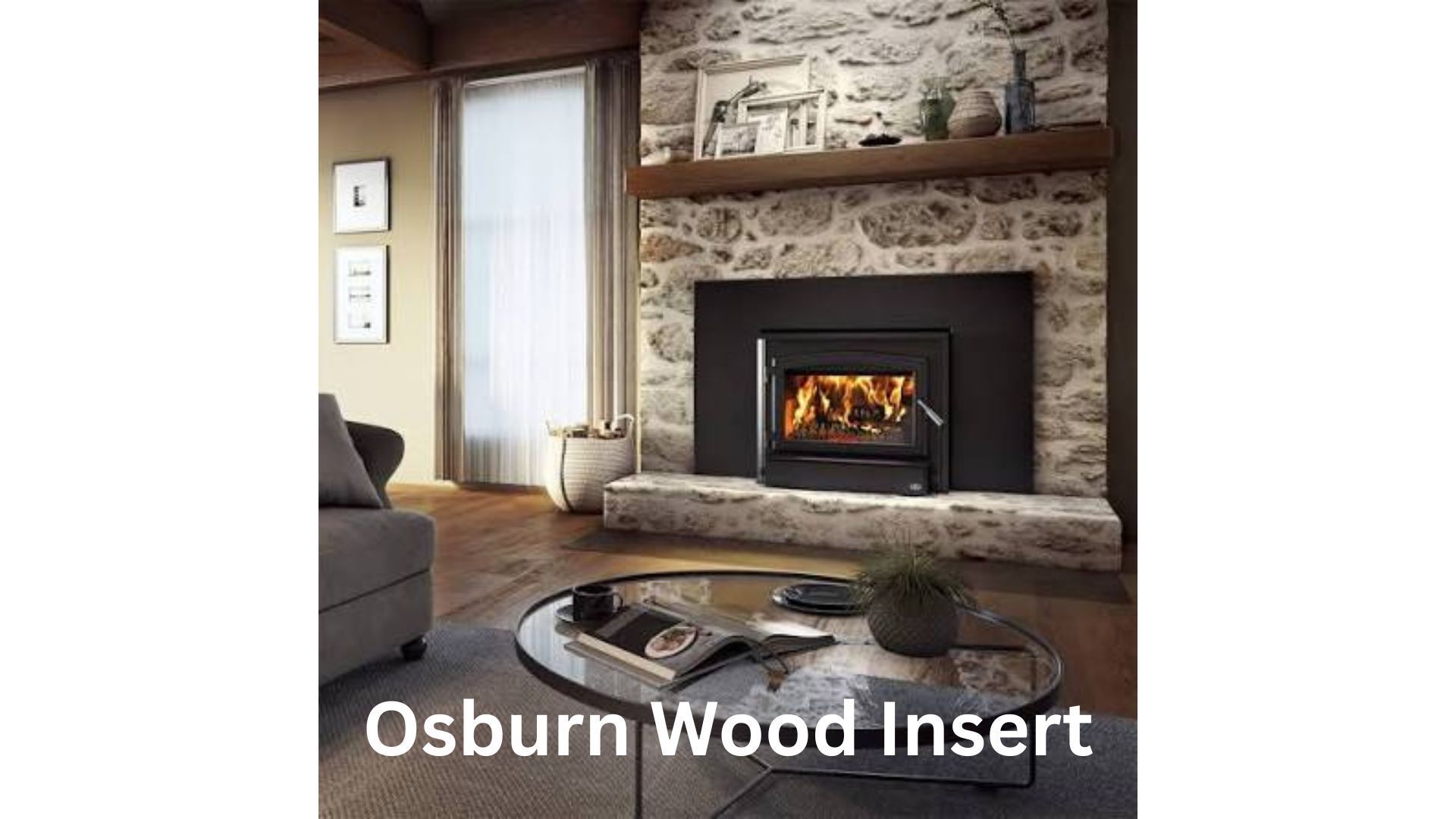
Traditional open fireplaces create atmosphere, but much of their heat can escape through the chimney. A modern wood stove or wood-burning fireplace insert is designed to produce more usable heat from each load of firewood.
An insert fits inside an appropriate existing fireplace, while a freestanding stove can be installed in other approved locations. Choosing the correct size is important. An undersized appliance may struggle to heat the area, while an oversized unit may make the room uncomfortable or encourage inefficient burning.
Use Dry, Seasoned Firewood
Efficient wood heat begins with properly seasoned firewood. Wet or green wood is harder to ignite, produces less usable heat and can create more smoke and creosote.
Firewood should be split, stacked and protected from rain while still receiving airflow. A moisture meter can help determine whether the wood is ready to burn. Never burn trash, cardboard, painted wood, treated lumber or manufactured materials that are not approved for the appliance.
The Chimney Must Be Ready for Increased Use
Using a wood-burning system more frequently can increase soot and creosote accumulation. Creosote is combustible and may contribute to a chimney fire if enough buildup collects inside the flue.
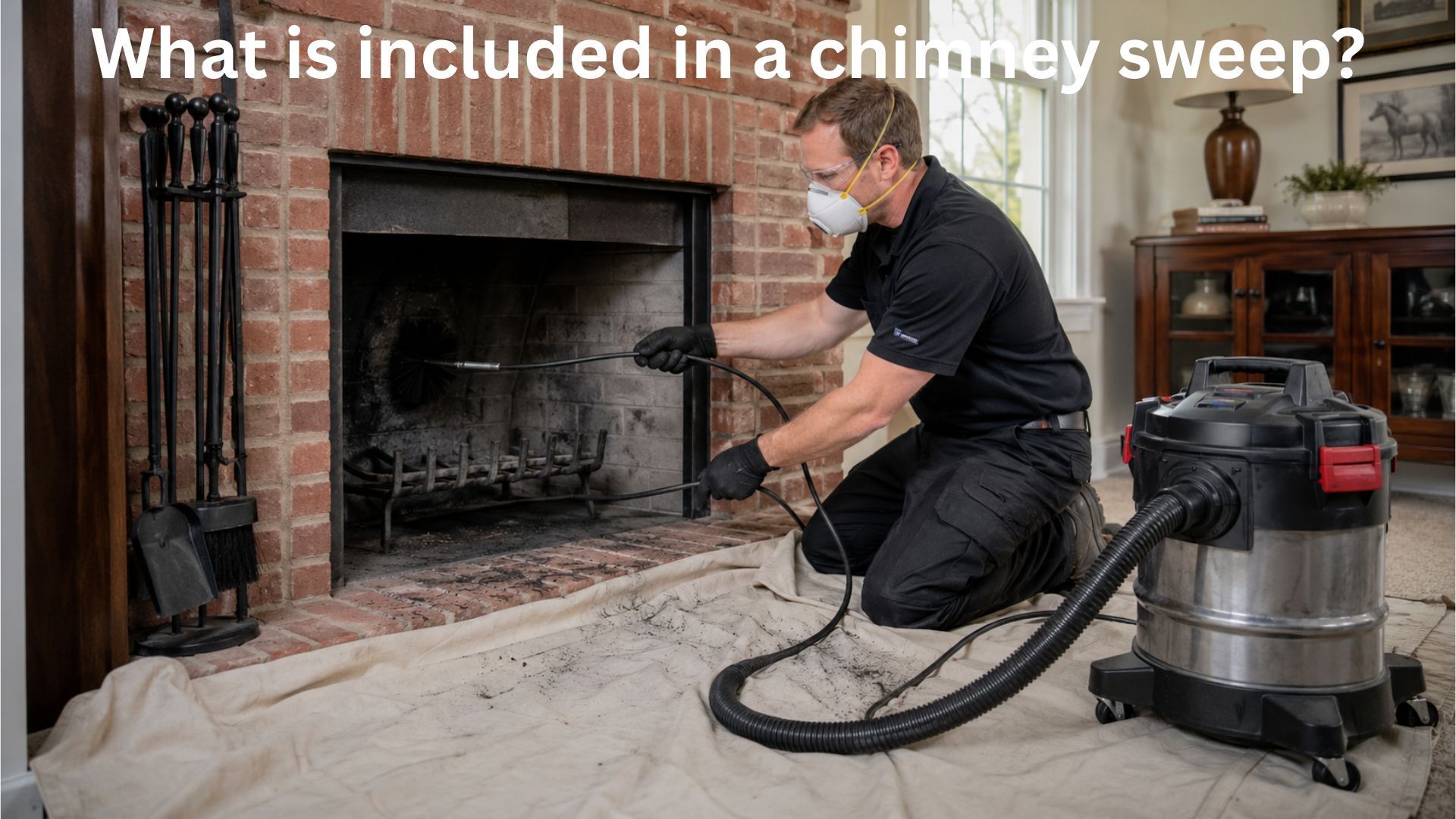
Before relying on wood as a regular heat source, schedule a professional chimney inspection. The chimney liner, connector pipe, masonry and appliance should be checked for damage, blockages and proper installation. Cleaning should be performed whenever the inspection determines it is needed.
Professional Installation Matters
A wood stove or fireplace insert must be matched to an approved venting system and installed with the required clearances from combustible materials. Hearth protection, chimney height and connection details can all affect safety and performance.
Professional
wood stove installation in Louisville or Lexington should follow the appliance manufacturer’s instructions and applicable building requirements. An NFI Certified installation can also help ensure the system is properly planned for the home.
Is Wood Heat Right for Your Home?
Wood heat may be a practical choice if you have reliable access to seasoned firewood, space for storage and time to operate and maintain the appliance. Homeowners should also consider ash removal, chimney maintenance and the work involved in carrying and stacking wood.
Ace Chimney, Fireplace & Outdoor Living offers wood stoves, fireplace inserts, NFI Certified installations and CSIA Certified chimney inspections throughout Louisville, Lexington and surrounding Kentucky communities. Our team can help you determine which wood-burning option fits your home and heating goals.