
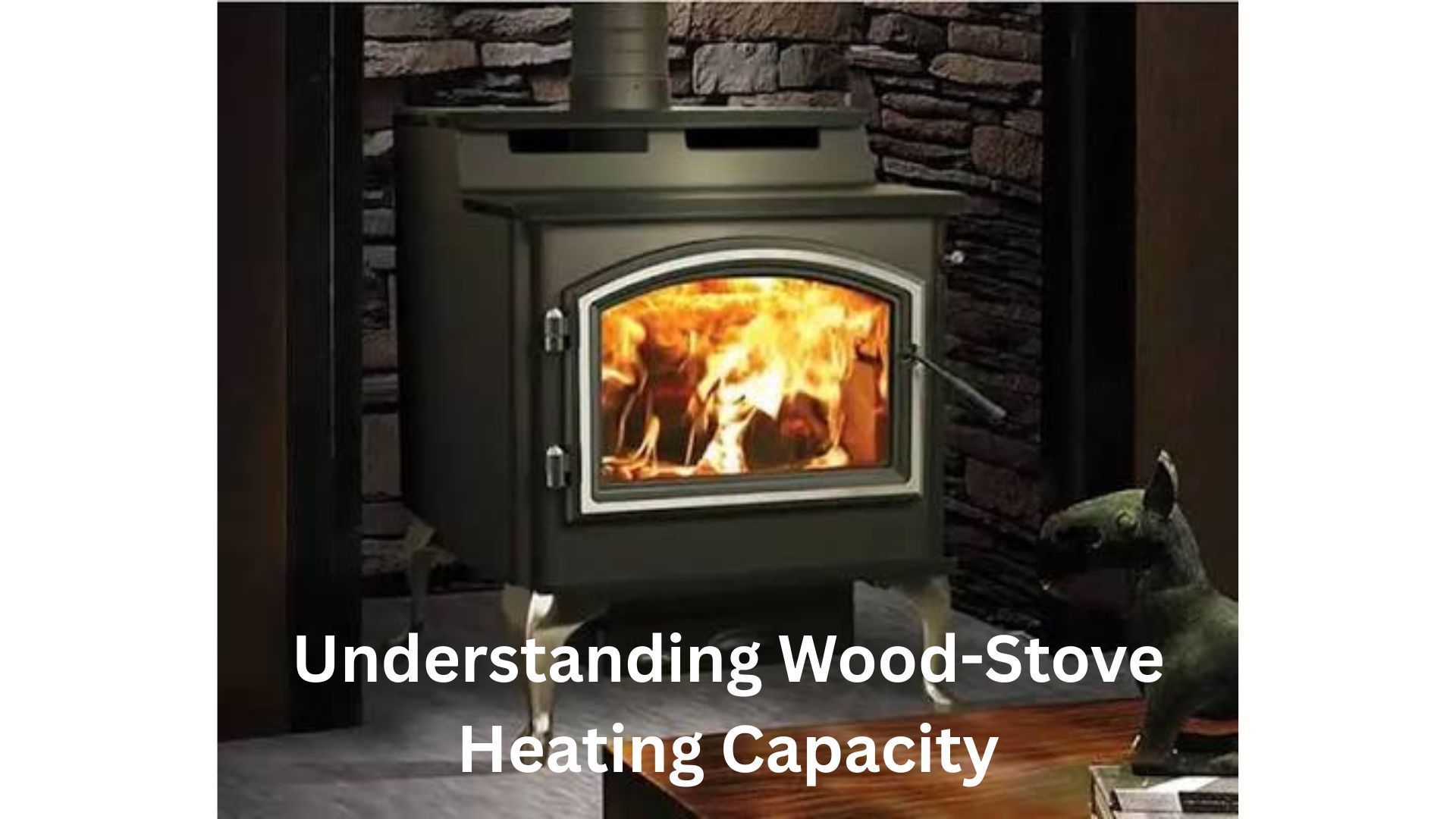
Why is water leaking into my fireplace

Dustin Bradley • July 6, 2026

Share this article

This is a subtitle for your new post

Finding water leaking into your fireplace is never normal. Whether you notice damp bricks, water stains, a musty smell, or even puddles inside the firebox, the problem should be addressed quickly. Water is one of the leading causes of chimney damage, and delaying repairs can lead to expensive masonry repairs, interior water damage, and even structural issues.

Common Causes of Fireplace Water Leaks

The most common reason water enters a fireplace is a damaged or missing chimney cap. A properly installed chimney cap keeps rain, animals, and debris out while allowing smoke to vent safely. If the cap is damaged or missing, rainwater can fall directly into the chimney.

Another common cause is damaged chimney flashing. Flashing is the metal seal where the chimney meets the roof. Over time, it can rust, pull away, or develop gaps that allow rainwater to enter your home and eventually reach the fireplace.

Cracked chimney crowns are another frequent source of leaks. The concrete crown sits on top of the chimney and protects the masonry below. When it cracks, water seeps into the chimney structure, especially during heavy rain or freeze-thaw cycles.

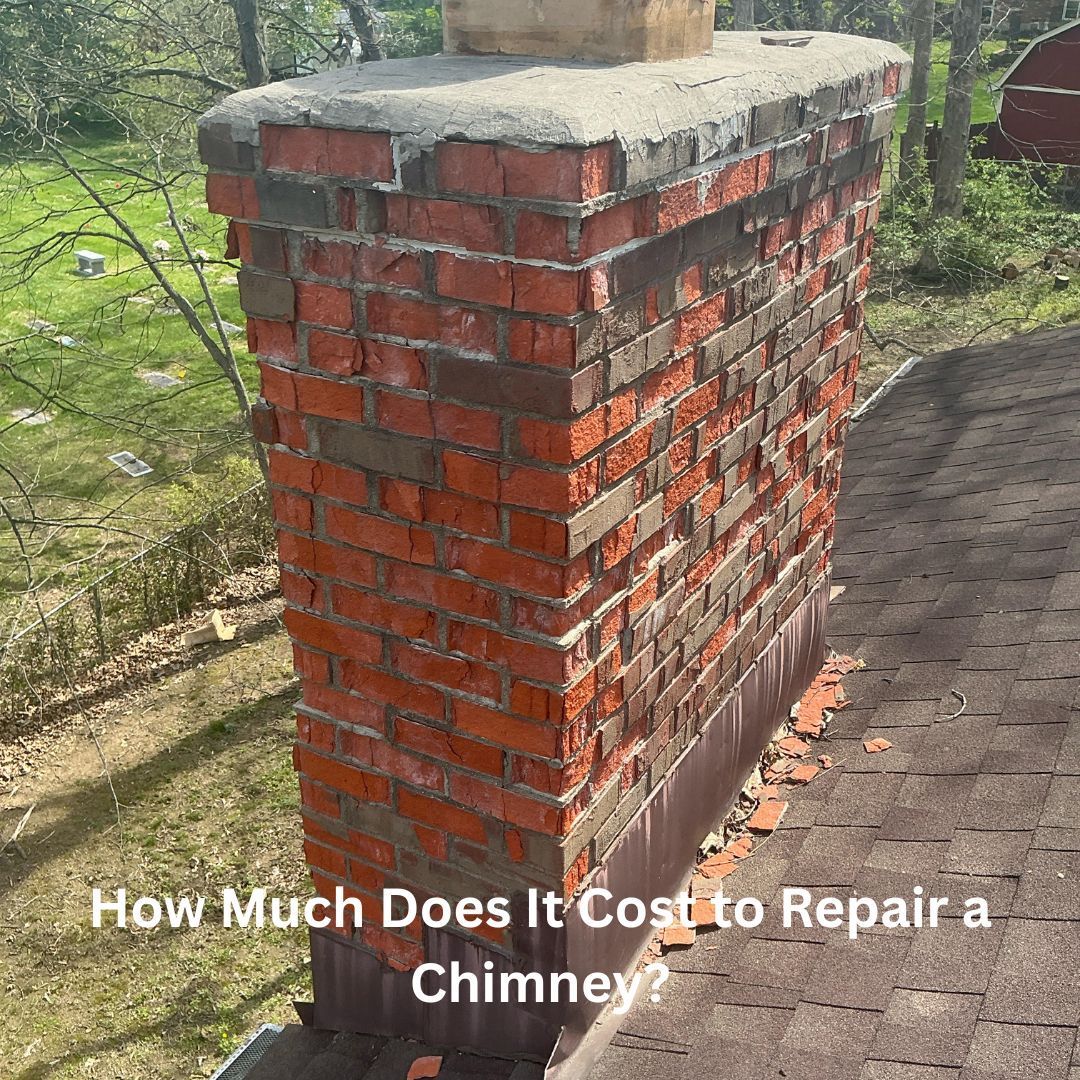
Worn mortar joints and deteriorating bricks can also absorb water. Masonry is naturally porous, and without proper maintenance or waterproofing, moisture penetrates the chimney, leading to leaks, spalling bricks, and interior staining.

Signs Your Chimney Has a Leak

A leaking chimney may show several warning signs, including:

  • Water dripping into the fireplace after rain.
  • White staining (efflorescence) on the brick.
  • Rust on the damper or fireplace components.
  • Damp or musty odors.
  • Peeling paint or stained walls around the chimney.
  • Cracked or flaking bricks and mortar.

Even a small leak can worsen over time, especially during Kentucky's changing weather conditions.

Why You Shouldn't Ignore It

Water is often called a chimney's biggest enemy. Once moisture enters the masonry, freezing temperatures can cause the bricks and mortar to expand and crack. Over time, this can require partial or complete chimney rebuilding instead of a simple repair. Water intrusion can also damage ceilings, drywall, insulation, flooring, and fireplace components inside your home.

How a Professional Chimney Inspection Helps

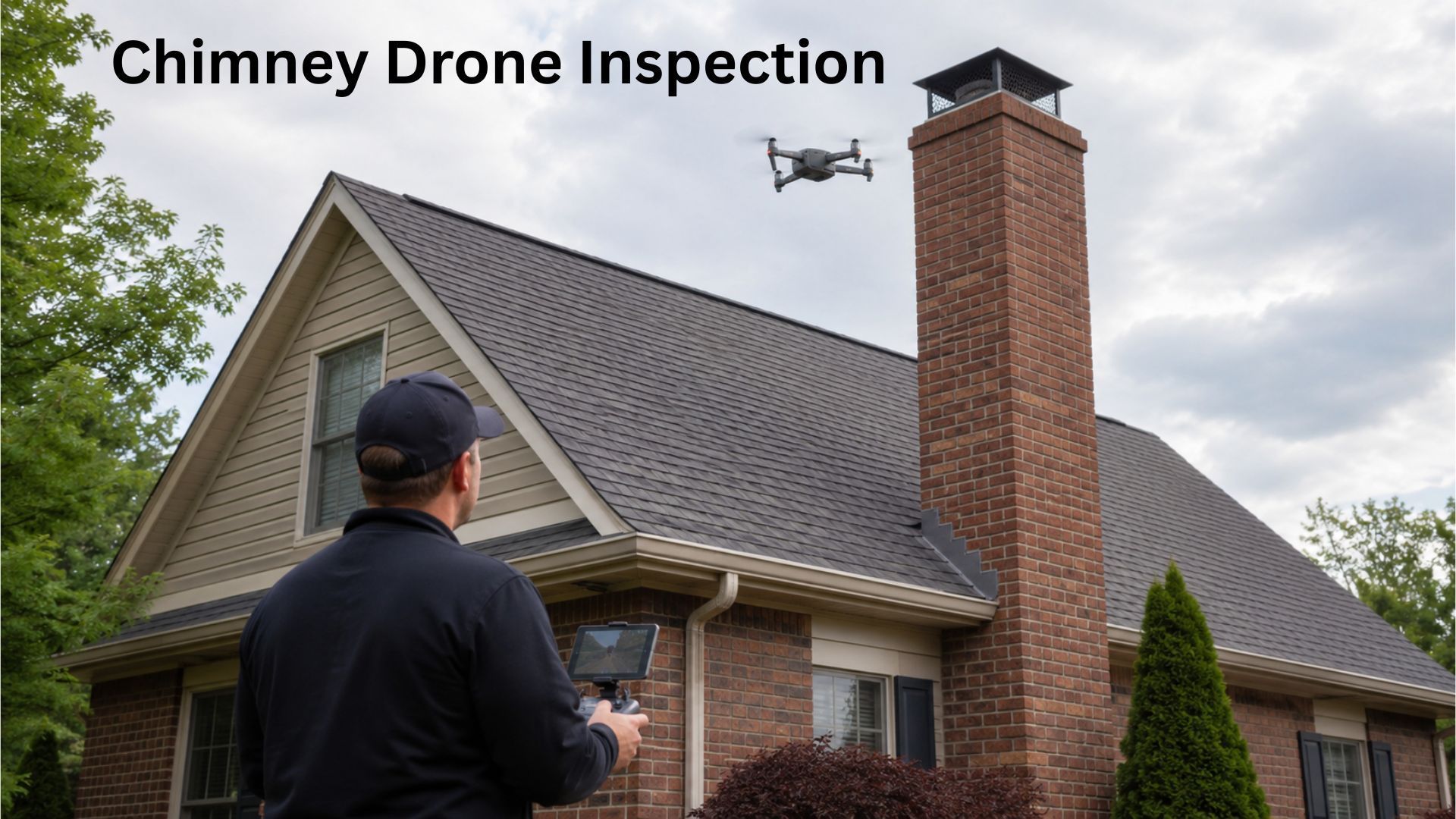
A professional chimney inspection can identify the exact source of the leak before unnecessary repairs are made. Common solutions include replacing the chimney cap, repairing flashing, rebuilding the chimney crown, tuckpointing damaged mortar joints, replacing a chase cover on prefabricated fireplaces, or applying a professional waterproofing treatment designed specifically for masonry chimneys.

Addressing the problem early is almost always less expensive than waiting for water damage to spread.

Schedule a Chimney Leak Inspection


Recent Posts

By Dustin Bradley July 13, 2026
What every home buyer needs to know before closing
By Dustin Bradley June 29, 2026
If you've been asking yourself, "Why does my chimney smell?" , you're not alone. A strong odor coming from your fireplace is one of the most common complaints homeowners have, especially during the spring and summer months. While an unpleasant chimney smell may seem like a minor nuisance, it's often a sign that your chimney needs attention. At Ace Chimney, Fireplace & Outdoor Living, we've helped homeowners throughout Louisville, Taylorsville, Shelbyville, Mt. Washington, Elizabethtown, Bardstown, and the surrounding Kentucky communities identify and repair the underlying causes of chimney odors. In many cases, the smell is caused by moisture entering the chimney, damaged masonry, or a chimney leak that should be repaired before it leads to more expensive damage. Why does your chimney smell bad Your chimney naturally moves air through your home. During warm weather or periods of high humidity, air can travel down the chimney and carry odors into your living space. If moisture has entered the chimney system, those odors often become much stronger. Some of the most common causes include: Water entering through a damaged chimney cap or crown Leaking chimney flashing Cracked brick or deteriorated mortar joints Creosote buildup from previous fireplace use Wet soot inside the flue Animal nests or debris Mold or mildew caused by excess moisture The smell may resemble a campfire, wet ashes, mildew, or even a musty basement. Chimney leaks are one of the biggest causes of chimney smells One of the leading causes of chimney odors is water intrusion. Even a small chimney leak can allow rainwater to soak into the masonry, chimney liner, or smoke chamber. When that moisture mixes with soot and creosote, it creates strong, unpleasant odors that can spread throughout your home. Ignoring a chimney leak can also lead to: Damaged brick and mortar Interior water stains Rusted fireplace components Mold growth Freeze-thaw damage during Kentucky winters Expensive structural chimney repairs Addressing a chimney leak early is usually much less expensive than waiting until significant damage has occurred. Common places chimneys leak Many homeowners assume water is coming directly down the flue, but leaks can develop in several locations. Common sources include: Missing or damaged chimney caps Cracked chimney crowns Failed flashing where the chimney meets the roof Deteriorated mortar joints Damaged brick masonry Missing or damaged chimney chase covers on prefabricated fireplaces A professional inspection can identify exactly where water is entering so the proper repair can be made. Why chimney repair is important A chimney is exposed to rain, snow, freezing temperatures, and years of weather. Over time, masonry naturally begins to deteriorate if it is not maintained. Professional chimney repairs may include: Brick replacement Mortar tuckpointing Crown repair or replacement Flashing repair Chimney waterproofing Chimney cap installation Chase cover replacement These repairs help prevent future leaks while extending the life of your chimney. Don't ignore a smelly chimney A chimney odor is often your home's first warning sign that something isn't right. While the smell itself can be unpleasant, the underlying cause is usually what deserves attention. Water damage tends to worsen over time, and small repairs can become much larger projects if left unaddressed. If you notice a musty smell after rain, a smoky odor during humid weather, or signs of moisture around your fireplace, it's a good idea to schedule a professional chimney inspection. Trust Ace Chimney, Fireplace And Outdoor Living At Ace Chimney, Fireplace & Outdoor Living, our CSIA Certified technicians provide comprehensive chimney inspections, chimney leak detection, masonry repairs, flashing repairs, chimney cap installations, waterproofing, and complete chimney repair services. We take the time to identify the source of the problem and recommend the right solution to help protect your home. Whether your chimney simply has an unpleasant odor or you're seeing signs of water damage, our experienced team can help restore your chimney and keep your fireplace operating safely.  Schedule your chimney inspection today If you've been wondering, "Why does my chimney smell?" , don't ignore the warning signs. A professional chimney inspection can identify hidden leaks, moisture damage, and repair needs before they become costly problems. Contact Ace Chimney, Fireplace & Outdoor Living today to schedule your chimney inspection and let our experienced team help keep your chimney dry, safe, and performing its best.
By ACE Chimney February 5, 2020
A new fireplace is a great investment and addition to your beautiful home! We are experience in installing the best products to add a...